Avoid unknown garden plants, toxic ornamentals, pesticide-treated leaves, mouldy forage, salted snacks, bread and heavily processed human foods. Never assume a plant is safe because it is…
Avoid unknown garden plants, toxic ornamentals, pesticide-treated leaves, mouldy forage, salted snacks, bread and heavily processed human foods. Never assume a plant is safe because it is eaten by people, birds or mammals; reptile species differ. Keep fertilisers, insecticides, rodent baits and cleaning chemicals away from enclosures and food preparation areas. After suspected ingestion of a toxic plant or chemical, contact a reptile veterinarian promptly and provide the plant or product identification. Do not attempt home remedies.
References
MSD Veterinary Manual, “Nutrition in Turtles” (reviewed September 2025; last updated July 2026); MSD Veterinary Manual, “Nutrition in Reptiles” (reviewed September 2025; last updated October 2025); MSD Veterinary Manual, “Management and Husbandry of Reptiles”.
Evidence note: General veterinary references do not establish an ingredient-specific safe quantity for every chelonian species. Feeding recommendations must be checked against the exact species, life stage and health status.
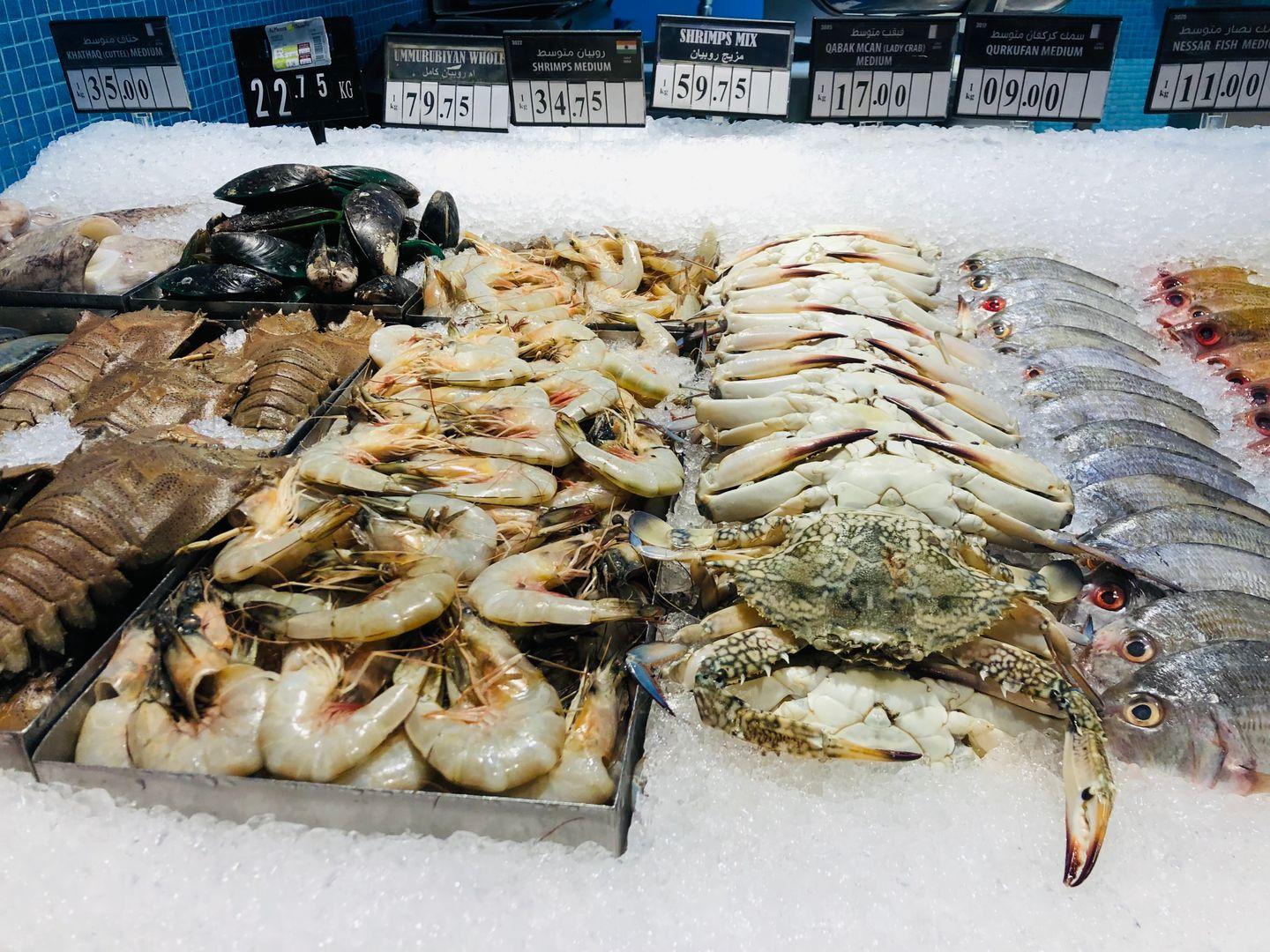
Shrimp and prawns may be eaten by some aquatic turtles, but dried shrimp products are not complete diets. They can lack nutrients required for long-term health and should not replace a…
UVB supports vitamin D3 synthesis in many diurnal chelonians and helps maintain calcium metabolism. Ordinary window glass blocks most useful UVB, so sunlight through a window is not an…
Calcium and phosphorus interact in bone and shell metabolism. The correct dietary concentrations and balance depend on species and the whole ration; one calcium-to-phosphorus ratio should…