When a person beats a dog, abandons a cat or mistreats a working animal, the immediate reaction is usually to blame the individual responsible.
That response is understandable. The person who commits cruelty must be held accountable. But focusing exclusively on individual behaviour overlooks a much larger problem.
Animal cruelty is also a reflection of social attitudes, economic pressures, institutional weaknesses and the way communities treat living creatures.
When cruelty becomes normal
Consider the number of animals that experience neglect without attracting public attention.
A dog permanently confined to a small space may be described as being kept safely. A horse working long hours in extreme heat may be regarded as part of everyday life. A pet abandoned because its owner is relocating may be dismissed as an unfortunate personal decision.
These situations reveal how easily suffering can become normalised.
When society accepts such practices, cruelty is no longer seen as an exception. It becomes part of everyday behaviour.
The economic dimension
Poverty, lack of access to veterinary care and inadequate infrastructure can contribute to animal suffering.
A livestock owner unable to afford treatment may allow an animal's condition to deteriorate. A person who adopts a puppy without understanding the long-term financial commitment may eventually abandon it.
Commercial interests can also encourage exploitation.
Unregulated breeding, illegal wildlife trade, unsuitable animal transport and irresponsible pet sales can create conditions in which animals are treated as commodities rather than living beings.
These problems require more than individual punishment. They need regulation, education and practical alternatives.
The responsibility of communities
Residential associations, schools, businesses and local governments influence how animals are treated.
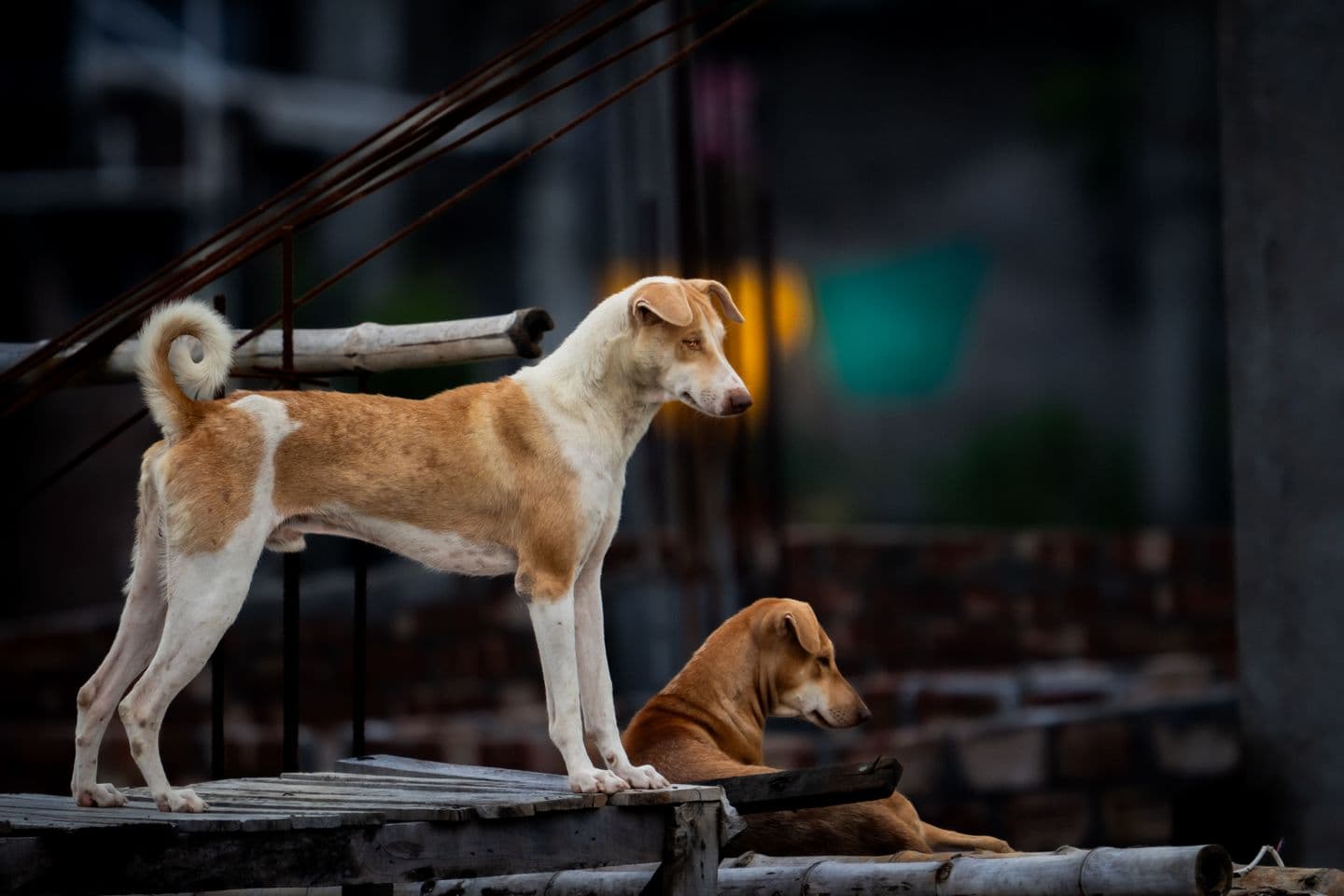
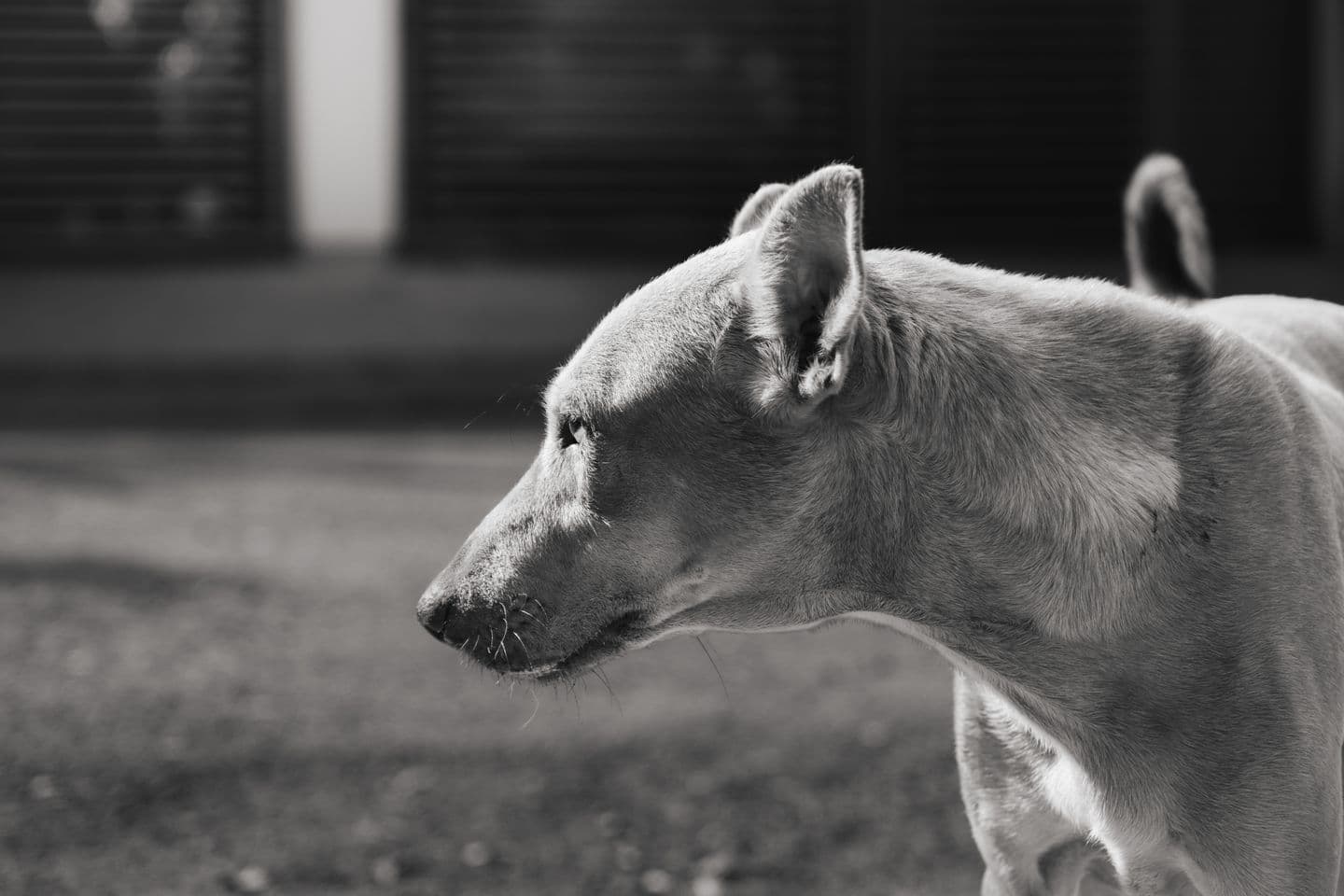
For example, conflict between residents and community dog caregivers can escalate when there are no agreed feeding arrangements or effective complaint mechanisms.
The Animal Birth Control Rules, 2023 provide a framework for managing street dog populations and assign responsibilities to local authorities. Effective implementation requires cooperation between municipalities, veterinary professionals, residents and animal welfare organisations.
Prevention must begin before cruelty occurs
A preventive approach should include:
Humane education in schools.
Responsible pet ownership programmes.
Accessible veterinary services.
Regulation of commercial animal activities.
Stronger enforcement against cruelty.
Community-level awareness initiatives.
Support for animal rescue and rehabilitation organisations.
Media organisations also have a role. Reporting animal cruelty responsibly can increase awareness without turning suffering into sensational entertainment.
Changing the social mindset
A society's relationship with animals cannot be measured only by the number of animal welfare organisations it supports.
It must also be measured by the everyday decisions people make: whether they provide water to an animal in summer, report abuse, adopt responsibly or refuse to participate in cruelty.
Animal cruelty may be committed by individuals, but preventing it requires an entire society to change the conditions and attitudes that allow it to continue.
The exotic pet trade has transformed the way people interact with wildlife. Animals once seen only in forests, grasslands and distant ecosystems are now advertised as unusual household companions. Tur
Street dogs are among the most visible yet misunderstood animals in Indian cities. They live outside our homes, sleep near shops, guard neighbourhoods and survive on the margins of human settlements.
Plastic pollution is often associated with images of turtles trapped in fishing nets, seabirds with plastic in their stomachs or cattle eating discarded polythene bags. These images are disturbing, bu