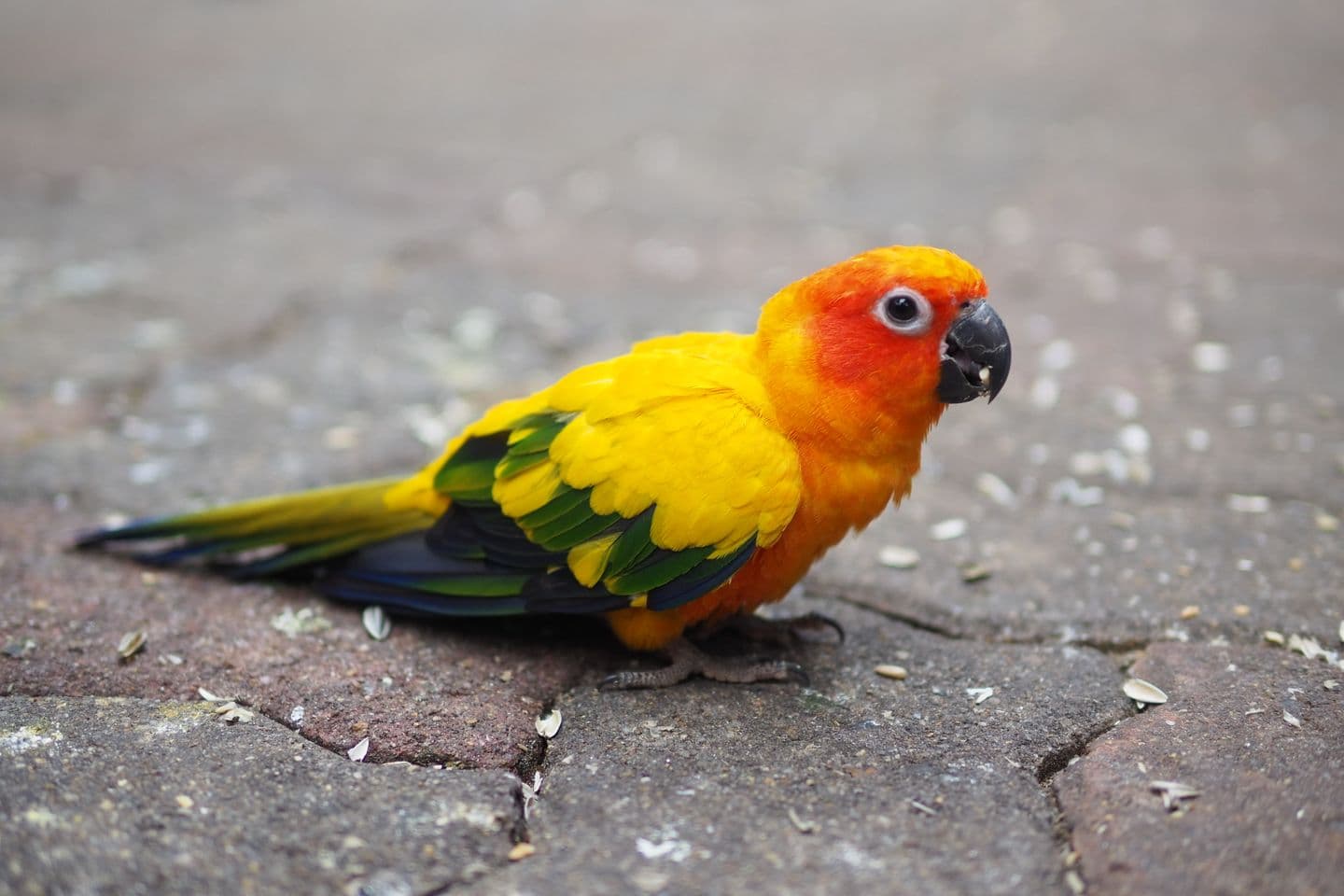
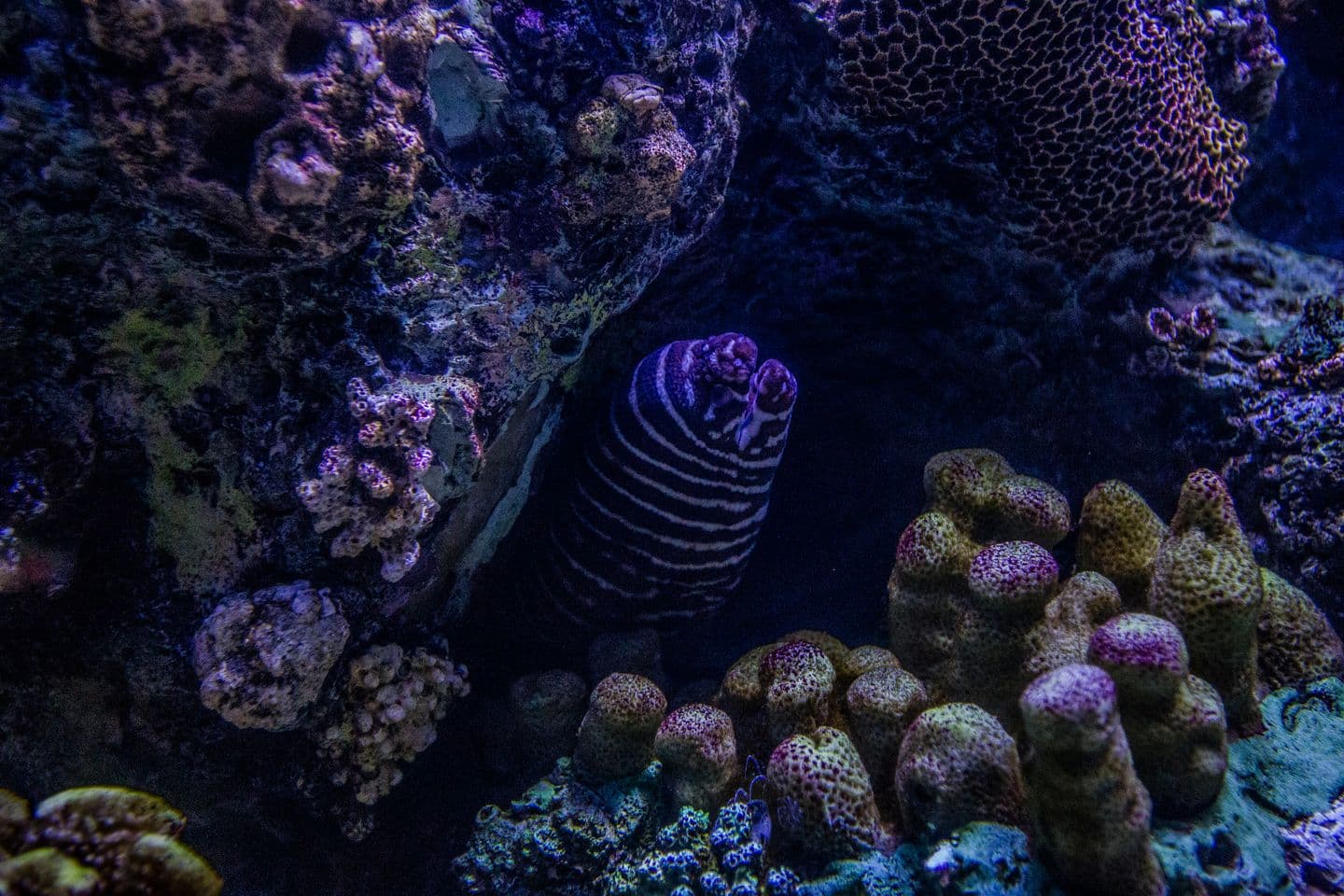
The exotic pet trade has transformed the way people interact with wildlife. Animals once seen only in forests, grasslands and distant ecosystems are now advertised as unusual household companions. Tur
The exotic pet trade has transformed the way people interact with wildlife. Animals once seen only in forests, grasslands and distant ecosystems are now advertised as unusual household companions. Turtles, snakes, lizards, parrots, amphibians and other exotic species are increasingly discussed in online communities and specialist pet markets. For some buyers, owning an unusual animal is an expression of curiosity or fascination. For others, it is about status or novelty. But an important question is often overlooked: just because an animal can be kept in captivity, does that mean it should be?
The Difference Between Ownership and Welfare
Exotic animals have evolved to survive in specific environments. Their physical and behavioural needs are closely connected to their natural habitats. A reptile may require precise temperature gradients, UVB exposure and humidity. A parrot may need extensive social interaction, flight and mental stimulation. Providing these conditions in a household can be challenging.
Inadequate enclosure sizes.
Incorrect temperatures and humidity.
Poor nutrition.
Lack of environmental enrichment.
Insufficient veterinary expertise.
Stress caused by inappropriate handling.
Social isolation.
An animal may survive for years under such conditions without necessarily experiencing good welfare.
The Conservation Cost
The exotic pet trade can have serious consequences for wild populations. Some animals are captured directly from natural habitats to meet commercial demand. Others are bred in captivity, but their trade may still create pressures on wild populations through demand for new species or breeding stock. Illegal collection and trafficking can contribute to population declines, disrupt ecosystems and increase pressure on already threatened species. The trade can also involve significant mortality during capture, transportation and handling. Not every exotic pet is illegally sourced, and responsible captive breeding can play a role in some conservation programmes. However, the origin of an animal must always be verified.
Understanding the Law in India
India has specific legislation governing wildlife protection and the possession and trade of certain animals. The Wild Life (Protection) Act, 1972, protects numerous native species. Capturing, possessing or trading protected wildlife without lawful authority is prohibited, subject to applicable statutory provisions and exceptions. The 2022 amendment introduced provisions relating to the regulation of international trade in listed living animal species. Under Section 49M and the Living Animal Species (Reporting and Registration) Rules, 2024, certain living specimens covered by CITES and included in Schedule IV are subject to registration requirements.
Native protected wildlife cannot simply be purchased as pets.
Exotic species are not automatically legal because they are available for sale.
Applicable import, possession, registration and transfer requirements must be followed.
Species identification and documentation are essential.
Wildlife trafficking and illegal trade must never be supported.
When in doubt, individuals should seek clarification from the State Forest Department or the relevant wildlife authority.
Can Exotic Animals Ever Be Kept Responsibly?
Some species bred in captivity can be kept responsibly, provided their legal status is clear and their welfare requirements can be met. However, responsible ownership requires much more than purchasing an animal from a seller. Potential owners should consider:
Whether the species is legally permitted.
Whether its captive-bred origin can be documented.
Whether suitable housing can be provided throughout its life.
Whether an experienced veterinarian is accessible.
Whether the animal's social and behavioural requirements can be met.
Whether the household can manage its long-term financial and practical needs.
If these requirements cannot be fulfilled, ownership should not be considered.
Admiring Wildlife Without Owning It
One of the most meaningful ways to appreciate exotic animals is to observe them in their natural environments or through responsible wildlife conservation initiatives. Supporting habitat protection, rescue organisations, conservation research and ethical wildlife education can contribute more to animal welfare than purchasing an unusual species. Children, too, should learn that loving wildlife does not necessarily mean bringing it home.
An animal's rarity, beauty or unusual appearance does not make it suitable for captivity. The ethics of exotic pet ownership begin with a simple principle: our fascination with animals should never come at the cost of their welfare or survival in the wild.
Street dogs are among the most visible yet misunderstood animals in Indian cities. They live outside our homes, sleep near shops, guard neighbourhoods and survive on the margins of human settlements.
Plastic pollution is often associated with images of turtles trapped in fishing nets, seabirds with plastic in their stomachs or cattle eating discarded polythene bags. These images are disturbing, bu
A hospital is a place where people wait. Families wait for news, doctors wait for test results, and patients wait for someone to tell them that everything will be all right.