How Plastic Pollution Is Killing Animals We Rarely See
Plastic pollution is often associated with images of turtles trapped in fishing nets, seabirds with plastic in their stomachs or cattle eating discarded polythene bags. These images are disturbing, bu
Plastic pollution is often associated with images of turtles trapped in fishing nets, seabirds with plastic in their stomachs or cattle eating discarded polythene bags. These images are disturbing, but they represent only a small part of a much larger environmental crisis.
Some of the victims of plastic pollution are animals we rarely notice.
Beneath the surface of rivers, lakes and oceans, tiny plastic particles are entering food chains. In forests, agricultural fields and wetlands, discarded plastic is becoming part of the environment in which wildlife feeds, breeds and survives.
The invisible threat of microplastics
Microplastics are plastic particles smaller than five millimetres. They originate from the breakdown of larger plastic objects, synthetic textiles, tyre wear and industrial materials.
Unlike larger plastic waste, microplastics are difficult to collect once released into the environment.
They enter rivers through sewage, stormwater drains and industrial discharge. Eventually, many reach the sea.
Small aquatic organisms may ingest these particles while feeding. Zooplankton, shellfish, fish and other aquatic animals can consequently become exposed. Depending on the species and level of exposure, plastic ingestion may cause physical injury, interfere with feeding and expose organisms to associated chemicals.
The animals we rarely see
The problem extends far beyond large marine animals.
Zooplankton: These tiny organisms form the foundation of many aquatic food webs. Microplastic ingestion can interfere with feeding and biological functions.
Freshwater fish: Rivers and lakes exposed to plastic waste create pathways for ingestion and exposure.
Seabirds: Birds feeding on contaminated prey or mistaking plastic fragments for food can accumulate plastic in their digestive systems.
Amphibians: Frogs and other amphibians living in contaminated freshwater habitats may encounter microplastics through their surrounding environment.
Terrestrial wildlife: Plastic contamination is not restricted to oceans. Research has identified microplastics in terrestrial food webs and wildlife.
A 2025 study published in Environmental Research examined scat samples from jungle cats and fishing cats in India's Gangetic Estuary. Researchers detected microplastics in both species. The findings raised concerns about the movement of plastic particles through food chains, although the study did not establish resulting health damage in these animals.
India's plastic pollution challenge
India's rivers, coastlines, wetlands and urban landscapes are affected by discarded plastic. Single-use packaging, multilayered wrappers, abandoned fishing equipment and inadequately managed waste contribute to the problem.
Animals encounter this waste in different ways. Cattle may consume plastic mixed with food waste. Birds mistake colourful fragments for food. Aquatic organisms encounter particles carried by polluted water.
The consequences are not always immediately visible. An animal may continue feeding and behaving normally even when its digestive system or health is affected.
What can we do?
Plastic pollution requires action at several levels.
Reduce dependence on single-use plastic.
Segregate household waste and ensure responsible disposal.
Avoid littering near rivers, lakes, beaches and forests.
Support recycling systems and responsible waste management.
Encourage businesses to adopt sustainable packaging.
Participate in local clean-up initiatives.
Individual responsibility must be supported by better municipal waste collection, effective enforcement and improved product design.
Plastic pollution is not simply an eyesore. It is an ecological problem that reaches animals across habitats, including species we may never encounter.
The smallest creatures often perform some of the most important functions in nature. Protecting them requires us to recognise that plastic rarely disappears. It travels, breaks down and eventually becomes part of another living organism's environment.
The exotic pet trade has transformed the way people interact with wildlife. Animals once seen only in forests, grasslands and distant ecosystems are now advertised as unusual household companions. Tur
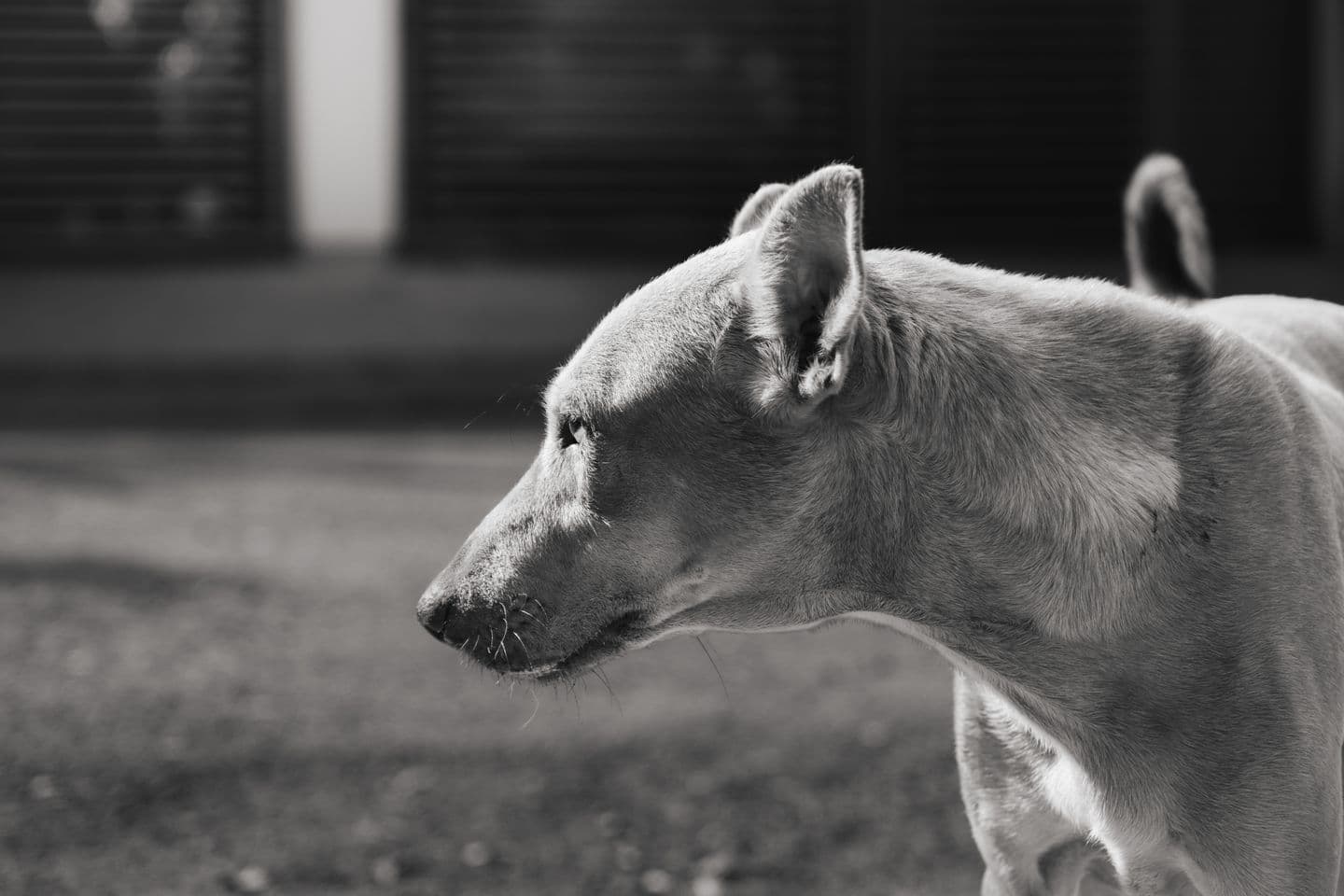
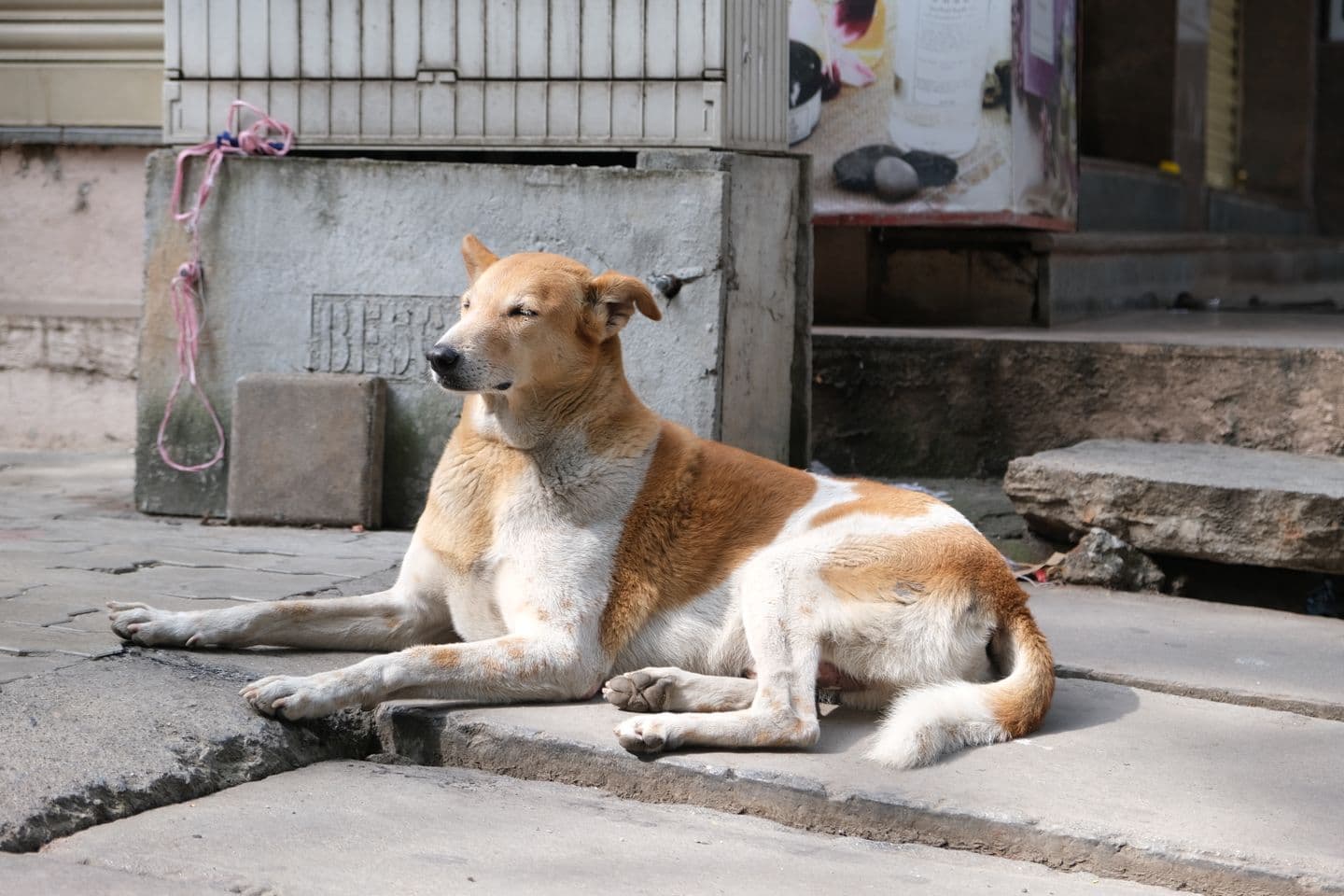
Street dogs are among the most visible yet misunderstood animals in Indian cities. They live outside our homes, sleep near shops, guard neighbourhoods and survive on the margins of human settlements.
A hospital is a place where people wait. Families wait for news, doctors wait for test results, and patients wait for someone to tell them that everything will be all right.