For centuries, animals have followed patterns shaped by seasons, temperature, rainfall and the availability of food. Birds migrate when conditions change. Turtles return to nesting beaches. Frogs emer
For centuries, animals have followed patterns shaped by seasons, temperature, rainfall and the availability of food. Birds migrate when conditions change. Turtles return to nesting beaches. Frogs emerge during monsoon rains. Many mammals time their breeding cycles to coincide with favourable environmental conditions.
These behaviours are not random. They are survival strategies developed over generations.
But climate change is disrupting some of these natural patterns, forcing animals to adapt to a world that is changing faster than many species can respond.
When seasons stop behaving as expected
Temperature and rainfall influence almost every aspect of animal life.
When summers become hotter, monsoons become unpredictable or winters change, animals may respond by altering their behaviour.
Some species move to cooler regions. Others change their feeding habits, breeding seasons or daily activity patterns.
For example, birds may alter migration timing in response to changing temperatures and food availability; amphibians may experience changes in breeding activity when rainfall patterns shift; marine animals may move towards cooler waters; mammals may become more active during cooler hours to avoid extreme daytime heat; and reptiles may experience changes in breeding and development because temperature influences their biological processes.
These changes can affect entire ecosystems.
The challenge of migration
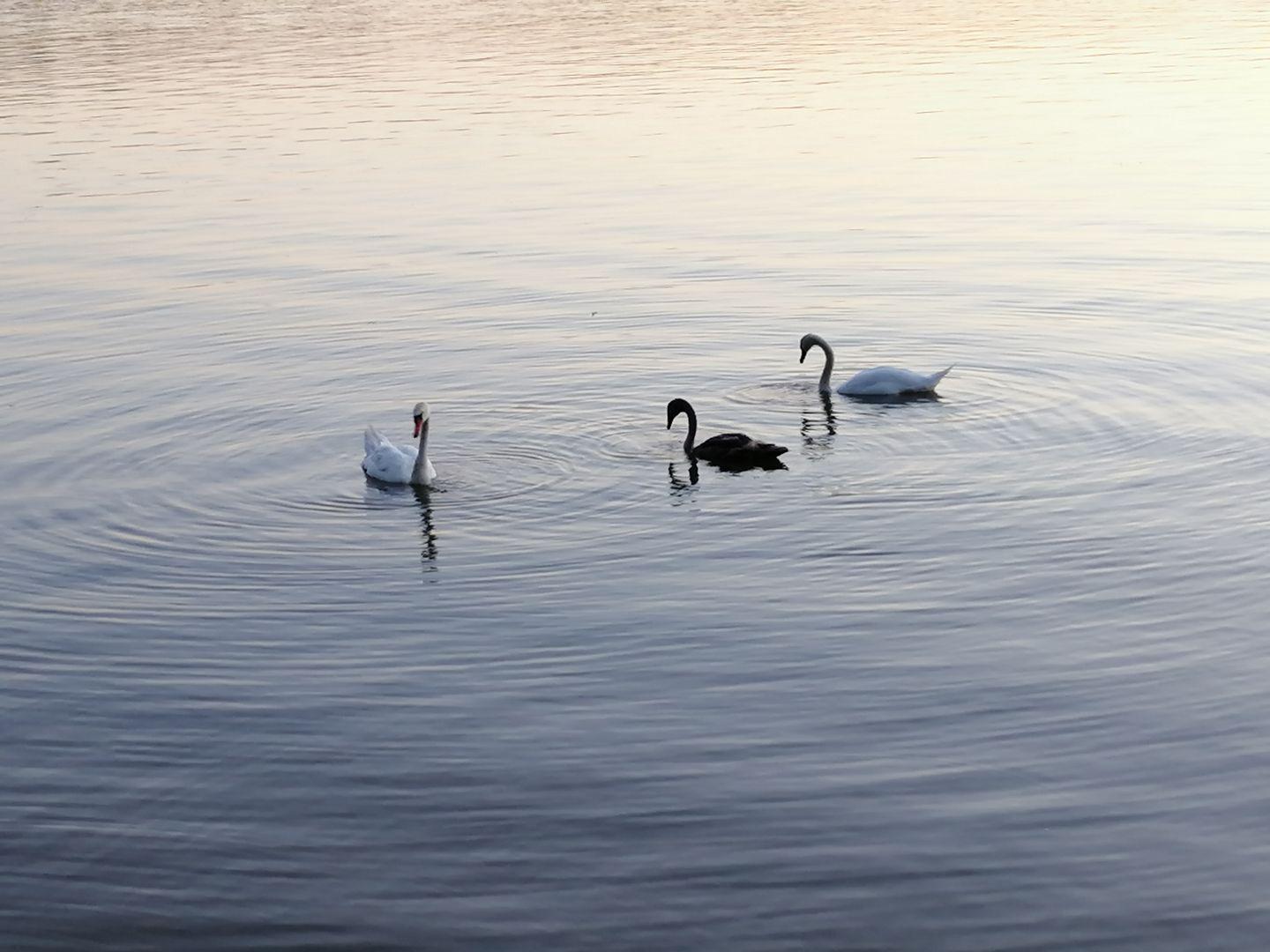
Migration is one of nature's most remarkable survival strategies. Birds travel thousands of kilometres to reach breeding grounds, feeding areas and favourable climates.
However, climate change can alter the timing and availability of resources along these routes.
A migratory bird arriving at its traditional destination may discover that insects have already emerged, wetlands have dried up or suitable food sources have become scarce.
This creates a mismatch between the animal's biological clock and the environment. Such mismatches can affect feeding success, breeding and survival.
Breeding in a changing climate
Temperature influences reproduction in many animal species.
In certain reptiles, including several turtle species, incubation temperature influences the sex of hatchlings. Changing nest temperatures can therefore affect the sex ratios of emerging populations.
For amphibians, changing rainfall patterns can influence the availability of temporary breeding pools.
For birds and mammals, changes in food availability may influence the timing and success of reproduction. The consequences can extend across generations.
When habitats become unsuitable
Climate change can also alter the geographical distribution of species.
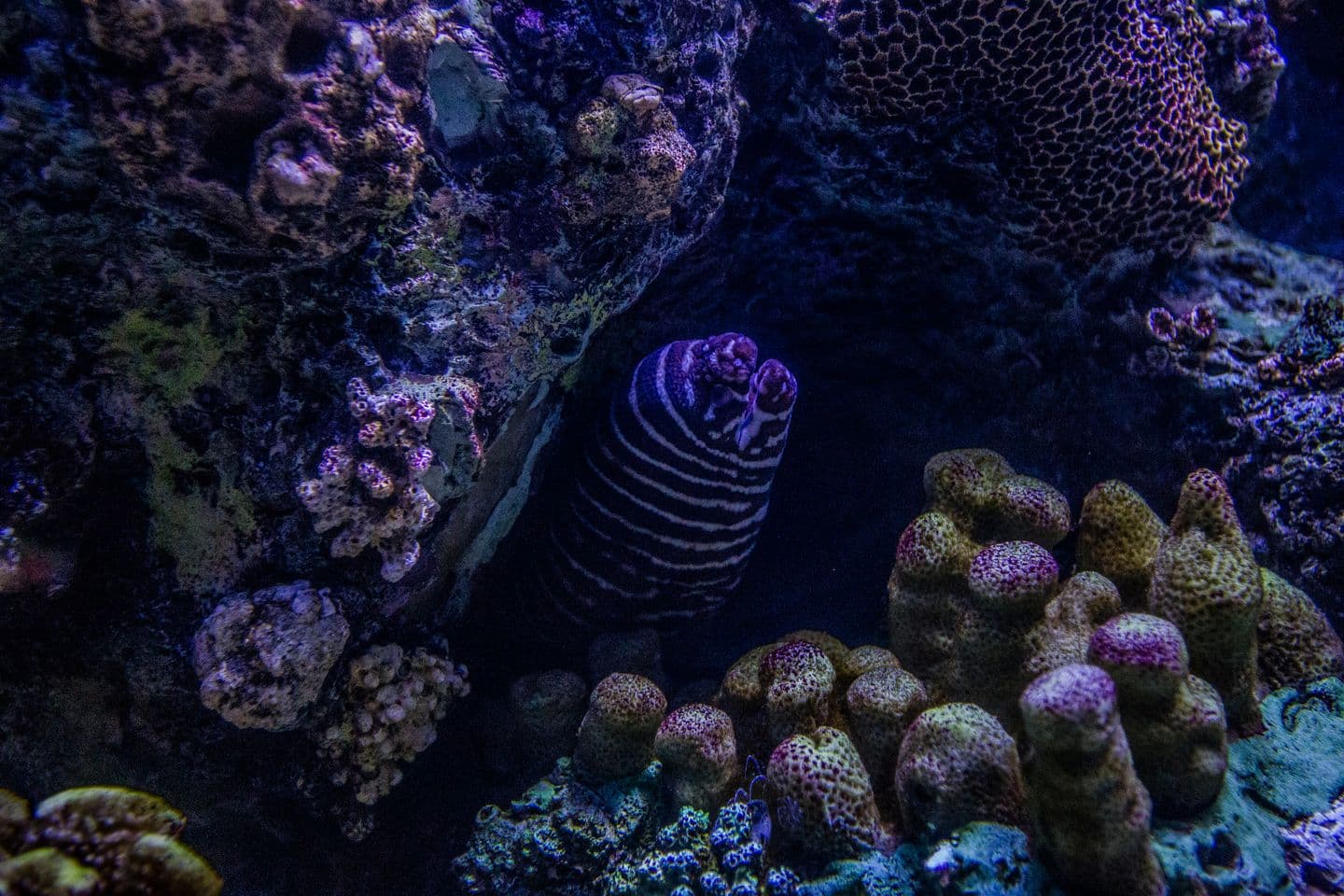
Mountain-dwelling animals may move towards higher elevations as temperatures rise. Marine species may shift towards cooler waters. Animals dependent on particular vegetation types may lose suitable habitats when those ecosystems change.
India's Himalayan region, Western Ghats, coastal ecosystems and dryland habitats are all important areas for understanding these ecological changes.
Species with restricted geographical ranges or specialised habitat requirements may have fewer opportunities to adapt.
The human-animal connection
Changing animal behaviour can also influence interactions between wildlife and people.
When food or water becomes scarce, some animals may move closer to agricultural land and human settlements. This can increase encounters between people and wildlife, creating challenges for both.
Such situations should not automatically be interpreted as animals becoming aggressive. They may simply be responding to changing environmental conditions. Importantly, climate change is one of several possible contributors to these encounters, alongside habitat loss and human land-use changes.
Can animals adapt?
Some species can adjust their behaviour relatively quickly. Others may adapt through evolutionary changes across generations.
However, adaptation has limits. Animals facing rapid habitat loss, fragmented landscapes and extreme climatic conditions may struggle to survive, particularly when they cannot move to more suitable environments.
Conservation strategies must therefore consider climate resilience alongside traditional habitat protection.
Important measures include protecting connected habitats and wildlife corridors; restoring wetlands and forests; monitoring changes in migration and breeding patterns; protecting climate-sensitive habitats; reducing greenhouse gas emissions; and supporting scientific research and long-term wildlife monitoring.
A changing world requires greater compassion
Climate change is often discussed through rising temperatures, melting glaciers and extreme weather events.
But its consequences are also unfolding quietly in forests, oceans, grasslands and wetlands.
An animal that changes its migration route, breeds at a different time or enters a human settlement may be responding to environmental changes beyond its control.
Understanding these behaviours is essential to protecting wildlife.
Animals cannot negotiate with a changing climate. They can only respond to it.
Our responsibility is to ensure that the natural world retains enough space, resources and ecological stability for them to survive.
The exotic pet trade has transformed the way people interact with wildlife. Animals once seen only in forests, grasslands and distant ecosystems are now advertised as unusual household companions. Tur
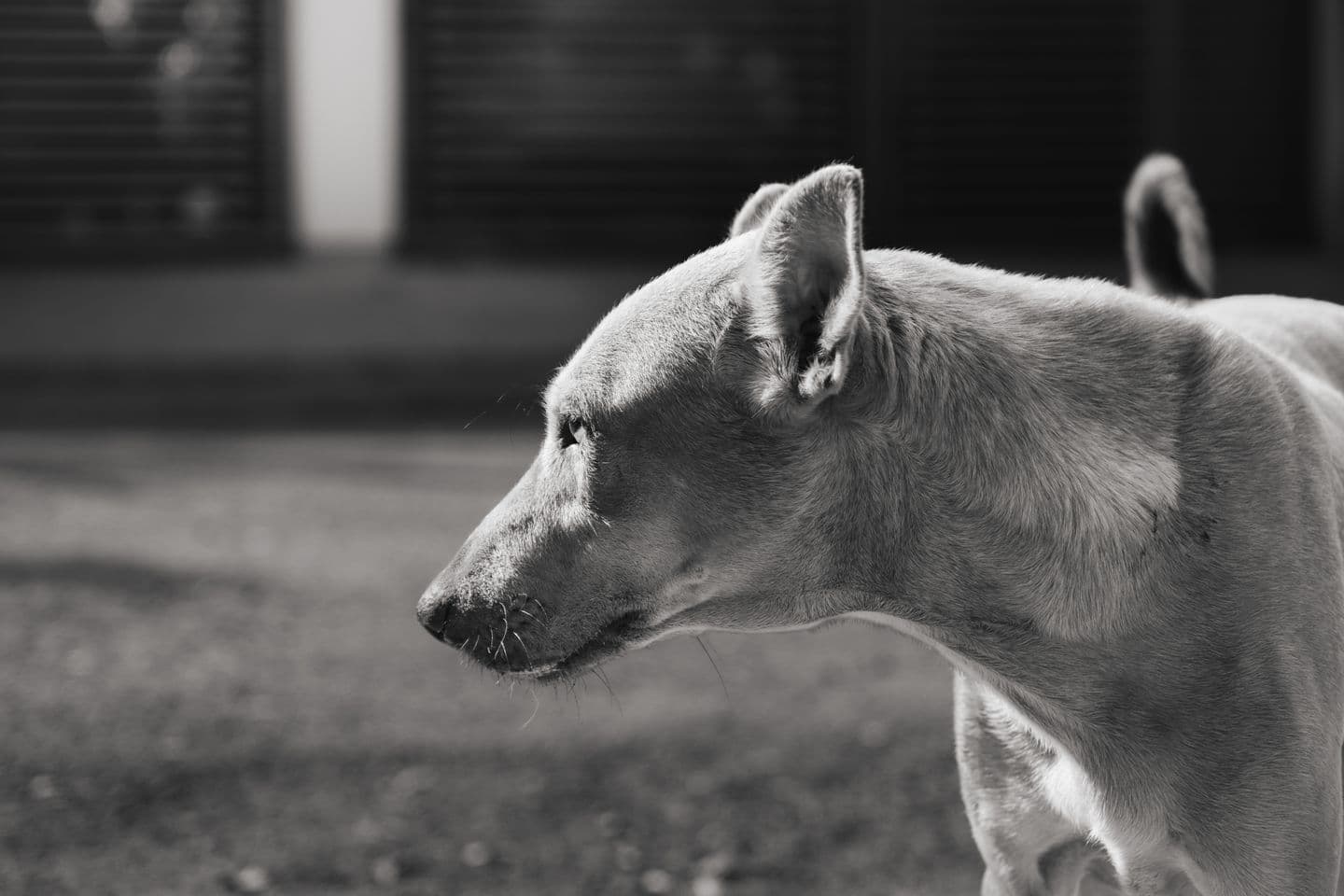
Street dogs are among the most visible yet misunderstood animals in Indian cities. They live outside our homes, sleep near shops, guard neighbourhoods and survive on the margins of human settlements.
Plastic pollution is often associated with images of turtles trapped in fishing nets, seabirds with plastic in their stomachs or cattle eating discarded polythene bags. These images are disturbing, bu