There is something extraordinary about a wetland. It may look like a stretch of marshy land, a shallow lake or a flooded field. Yet, beneath its seemingly ordinary appearance exists an ecosystem suppo
There is something extraordinary about a wetland. It may look like a stretch of marshy land, a shallow lake or a flooded field. Yet, beneath its seemingly ordinary appearance exists an ecosystem supporting thousands of interconnected lives.
For birds, fish, amphibians, reptiles, insects and countless smaller organisms, wetlands are indispensable habitats.
India's wetlands are among its most valuable ecological assets. Unfortunately, they are also among its most vulnerable.
More than just water bodies
Wetlands are ecosystems in which water influences the soil, vegetation and ecological processes. They include lakes, marshes, swamps, mangroves, estuaries, floodplains and certain human-made water bodies.
Their ecological importance extends well beyond providing water. Wetlands store water and recharge groundwater; reduce the impact of floods by absorbing excess water; filter certain pollutants and trap sediments; support fisheries and aquatic food chains; provide breeding and feeding grounds for wildlife; and store carbon, particularly in certain wetland ecosystems.
They are natural infrastructure, performing services that would otherwise require expensive human-built systems.
A home for extraordinary biodiversity
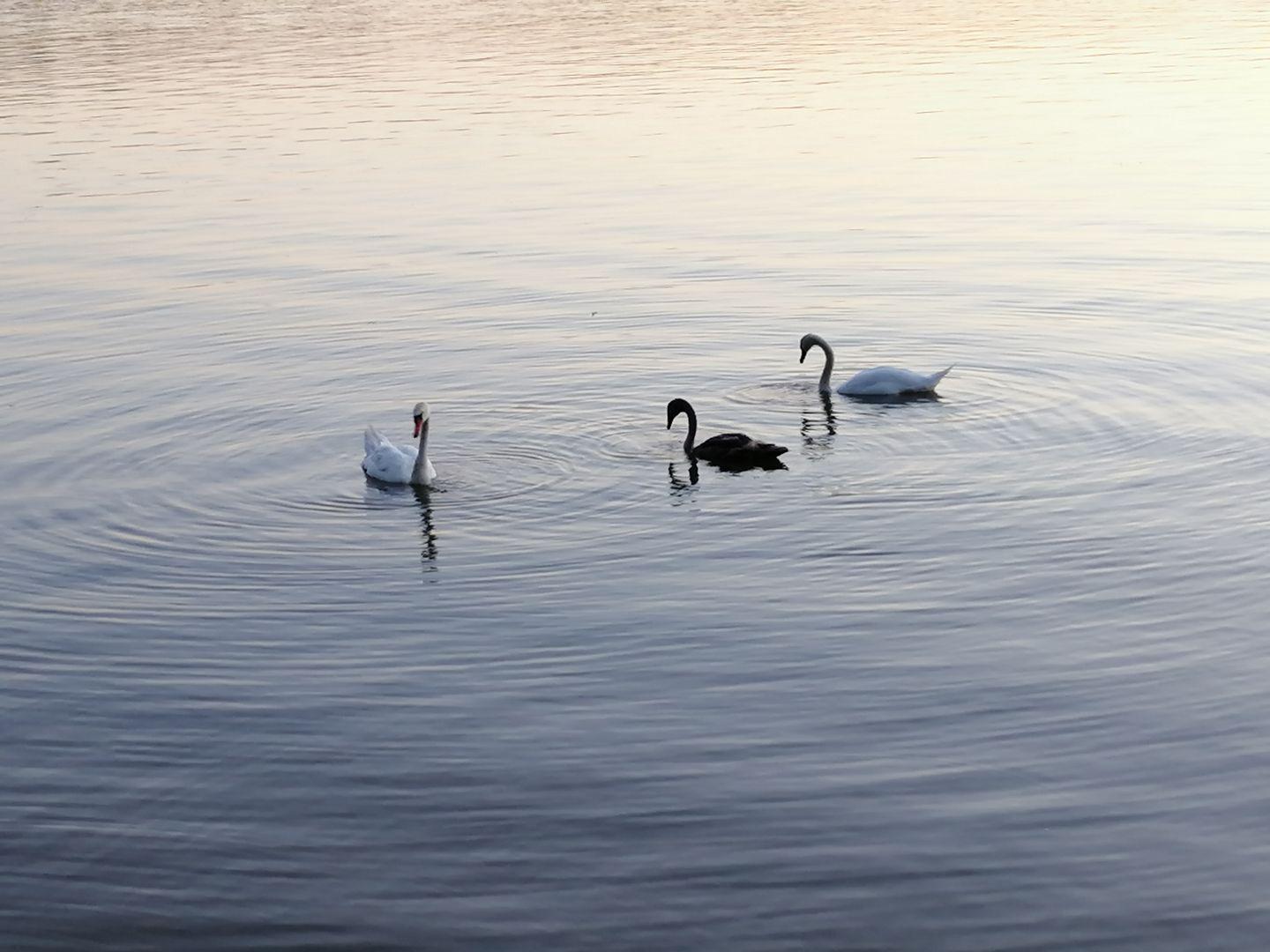
Wetlands support an astonishing variety of animal life. Migratory birds depend on them for food and resting places during long journeys. Species travelling along the Central Asian Flyway use Indian wetlands as important stopover habitats.
Places such as Chilika Lake in Odisha, Keoladeo National Park in Rajasthan, Vembanad Lake in Kerala and Loktak Lake in Manipur demonstrate the extraordinary diversity of India's wetland ecosystems.
Their inhabitants include migratory ducks, geese, waders and shorebirds; fish and freshwater turtles; frogs and other amphibians; otters and fishing cats; crocodilians and aquatic reptiles; and insects and microorganisms that sustain food webs.
The Aghanashini Estuary in Karnataka, for example, supports diverse fish, bird and mangrove-associated species.
Why wetlands are disappearing
Despite their ecological importance, wetlands are frequently treated as vacant land waiting for development.
Urban expansion, encroachment, drainage, pollution, excessive water extraction and invasive species are damaging these habitats.
When a wetland disappears, its animals lose more than a place to live. They lose feeding grounds, breeding sites and ecological connections.
Pollution also changes water quality, affecting aquatic organisms and the birds and mammals dependent on them. Climate change adds another layer of pressure through changing rainfall patterns, droughts, floods and rising temperatures.
India's conservation responsibility
India is a contracting party to the Ramsar Convention, an international agreement dedicated to wetland conservation and wise use.
As of October 2026, India has 103 Ramsar-designated wetlands. This growing network demonstrates increasing recognition of their ecological significance.
However, designation alone cannot guarantee protection. Wetlands need effective management, pollution control, ecological monitoring and participation from surrounding communities.
What citizens can do
Wetland conservation should not remain the responsibility of environmental departments alone.
Avoid dumping waste into lakes and water bodies.
Participate in wetland restoration initiatives.
Support local bird and biodiversity monitoring.
Report encroachment and illegal dumping.
Encourage sustainable fishing practices.
Protect natural vegetation around water bodies.
Wetlands are not wastelands. They are living systems that protect both wildlife and human communities.
The next time we see a flock of birds resting beside a lake, it is worth remembering that the water beneath them supports an entire ecological network.
Saving wetlands means saving much more than water. It means protecting the countless lives that depend on it.
The exotic pet trade has transformed the way people interact with wildlife. Animals once seen only in forests, grasslands and distant ecosystems are now advertised as unusual household companions. Tur
Street dogs are among the most visible yet misunderstood animals in Indian cities. They live outside our homes, sleep near shops, guard neighbourhoods and survive on the margins of human settlements.
Plastic pollution is often associated with images of turtles trapped in fishing nets, seabirds with plastic in their stomachs or cattle eating discarded polythene bags. These images are disturbing, bu