A garden can be many things. It can be a place to relax, grow vegetables, enjoy flowers or escape the noise of everyday life.
But it can also become something far more meaningful: a small habitat for wildlife.
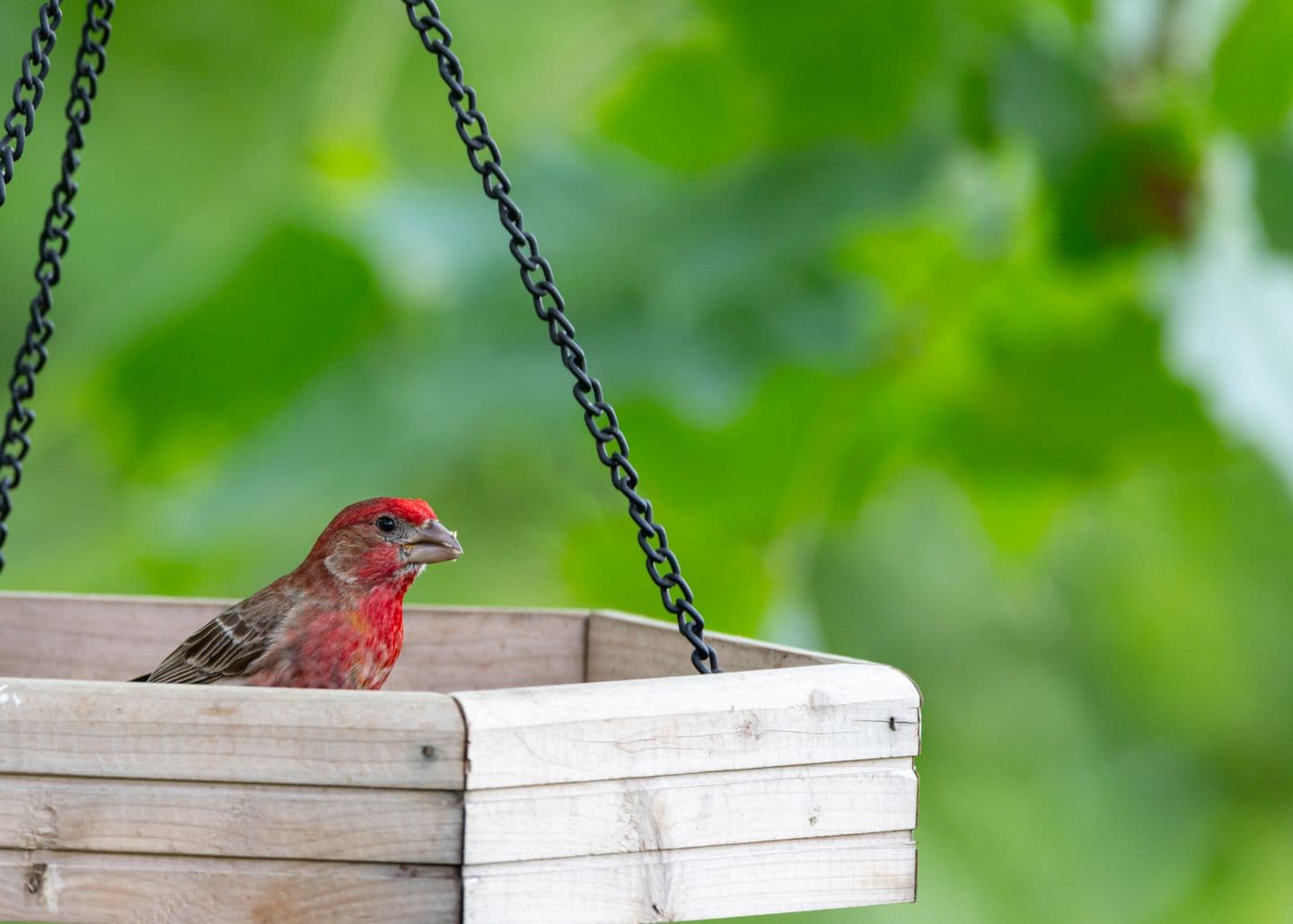
Imagine a garden where butterflies visit flowering plants, bees move between blossoms, birds search for insects and a gecko finds shelter among the leaves. Such a garden is not merely decorative. It is a functioning ecological space.
In a world where natural habitats are shrinking, even small green spaces can make a difference.
The problem with ornamental gardens
Many modern gardens are designed primarily for appearance. Perfectly trimmed lawns, exotic ornamental plants and carefully arranged flower beds may look attractive, but they do not necessarily support much wildlife.
Some gardens use pesticides to eliminate insects, herbicides to remove unwanted plants and excessive lighting that disturbs nocturnal creatures.
The result is a green space that may look alive but offers limited ecological value. A wildlife-friendly garden follows a different philosophy. It welcomes biodiversity rather than trying to control every living thing.
Why native plants matter
Native plants have evolved alongside local insects, birds and other organisms. They often provide suitable food, shelter and breeding opportunities.
Flowering native plants can support local pollinators, while shrubs and trees offer nesting locations and protection for birds.
In India, gardeners can explore locally suitable species such as tulsi, which attracts insect visitors when flowering; native hibiscus varieties, which provide nectar and pollen; regional flowering shrubs that support butterflies; indigenous fruit-bearing trees that provide food for birds; and native grasses that offer shelter to insects and small animals.
Plant selection should depend on the local climate, soil and ecological region. A plant native to one part of India may not be appropriate elsewhere.
Welcoming pollinators
Bees, butterflies, moths and other pollinators perform essential ecological functions. They help flowering plants reproduce and contribute to agricultural production.
A garden can support them by providing flowers across different seasons, avoiding harmful pesticides and maintaining small areas of natural vegetation.
Not every insect is a pest. Many are essential participants in ecological processes.
Creating shelter for small wildlife
A wildlife-friendly garden does not need expensive infrastructure. Consider a few simple changes:
Retain some fallen leaves instead of clearing every corner.
Create a small water source with shallow edges and safe access.
Grow shrubs that provide shelter for birds.
Leave small patches of undisturbed soil for ground-nesting insects.
Avoid pesticides and chemical weed killers.
Provide dense vegetation where geckos and other small creatures can hide.
Water containers should be cleaned regularly to prevent mosquito breeding, and any water source should allow small animals to enter and leave safely.
Gardens as ecological stepping stones
Urban development often divides natural habitats into smaller patches. Parks, gardens, balconies and roadside vegetation can sometimes function as stepping stones between these fragmented spaces.
They cannot replace forests or wetlands, but connected green spaces can improve movement and survival opportunities for certain urban species.
A collection of wildlife-friendly gardens can therefore contribute to a larger urban biodiversity network.
A change in how we see nature
Perhaps the biggest change required is psychological. We must stop believing that a perfect garden is one without insects, fallen leaves or birds searching through the soil.
A few chewed leaves are not necessarily a gardening failure. A butterfly caterpillar feeding on a plant is evidence that the garden is supporting life.
Every garden need not become a forest. It simply needs to make room for other living beings.
The garden outside our homes can become a reminder that humans are not the only residents of the natural world.
The exotic pet trade has transformed the way people interact with wildlife. Animals once seen only in forests, grasslands and distant ecosystems are now advertised as unusual household companions. Tur
Street dogs are among the most visible yet misunderstood animals in Indian cities. They live outside our homes, sleep near shops, guard neighbourhoods and survive on the margins of human settlements.
Plastic pollution is often associated with images of turtles trapped in fishing nets, seabirds with plastic in their stomachs or cattle eating discarded polythene bags. These images are disturbing, bu