Interdisciplinary Researcher, Academic, Editor and Sports Columnist
Ravi Teja Mandapaka is a researcher, academic, editor and multidisciplinary writer whose work spans science, literature and sport. Over more than fourteen years, his professional experience has included scientific research, higher education, healthcare, biotechnology, medical writing, scholarly communication, curriculum development and sports journalism.
He holds an MSc in Foods & Nutritional Sciences and a BSc in Biotechnology, Microbiology and Chemistry from Acharya Nagarjuna University. He has undertaken postgraduate training in Nutrition at the National Institute of Nutrition (NIN), Hyderabad, with research appointments at NIN and the National Institute of Agricultural Extension Management (MANAGE). His research interests include nutrition, food safety, food security, biotechnology, healthcare and food systems.
His scholarly work includes 27 scientific research papers, five book chapters and four edited volumes. As an editor and scientific communicator, he works to make complex ideas accessible while preserving their technical accuracy and context.
Writing on sport since 2012, Ravi has contributed more than 300 articles and analytical columns to platforms including Sportskeeda, The Sports Column and Field Vision, with a particular focus on Indian field hockey. His book and editorial contributions include From Dhyan to Dhan (2024), Midas Touch and Miracles of Indian Sports (2024), The Wall: Field Hockey Goalkeepers Manual (2026) and Psychometric–Physio–Socio Reflection of Sports Analysis (2026).
Beyond science and sport, his interests include English and Telugu literary expression, poetry, translation and literary criticism. Across his writing and editorial work, he brings a commitment to evidence, thoughtful interpretation and clear communication.
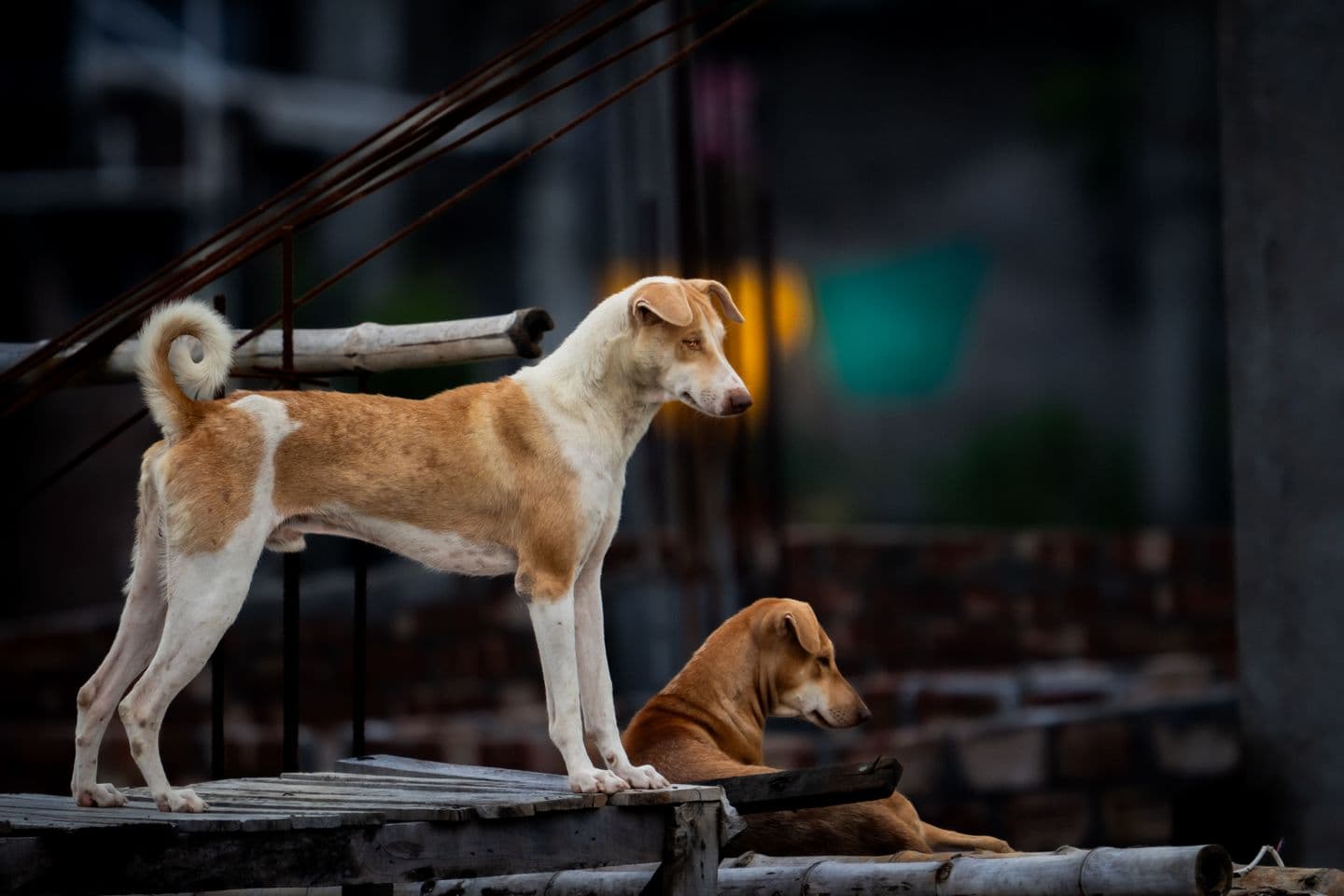
Cities are usually designed around human needs. Roads connect neighbourhoods, buildings accommodate growing populations and infrastructure supports commerce, transportation and recreation.
A video showing someone beating a dog can generate thousands of angry comments. People demand punishment, share the footage and express outrage. A few days later, public attention moves elsewhere.
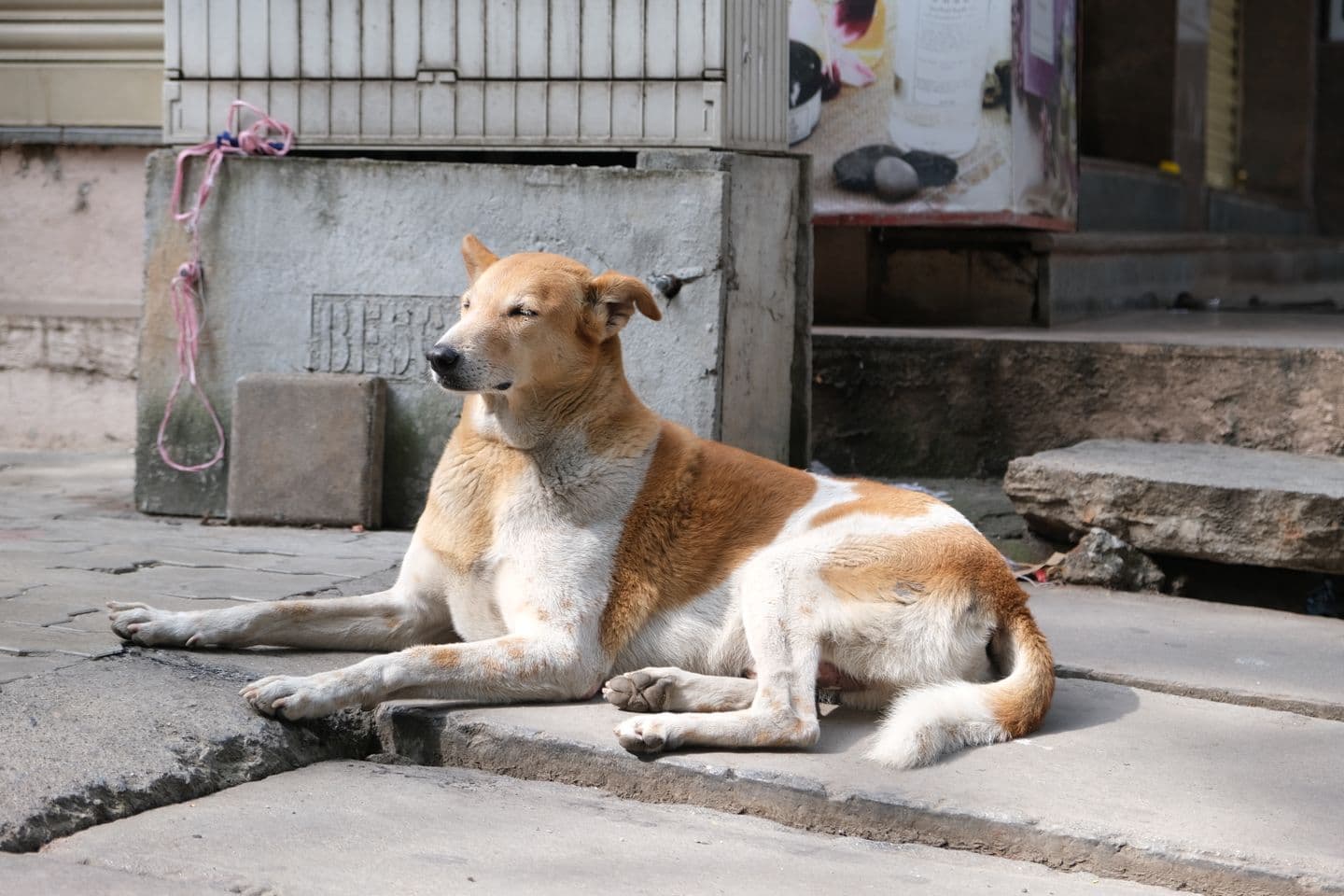
Rescuing an injured dog is often described as an act of kindness. Taking an abandoned cow to a shelter is considered an act of compassion. Supporting a wildlife rescue centre is seen as a contribution
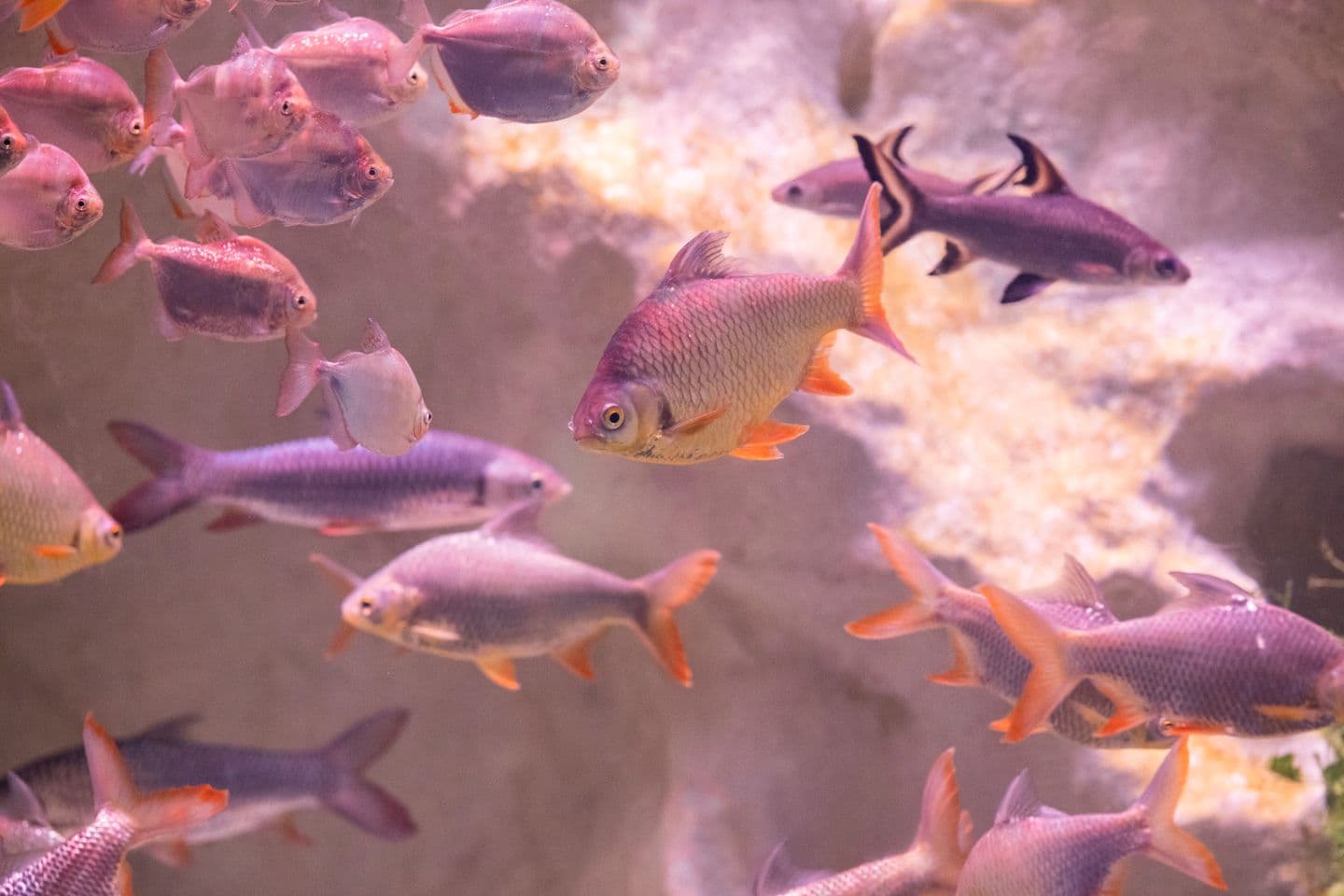
For many people, fish are among the simplest animals. They swim, eat, reproduce and respond to their surroundings. Their behaviour is often interpreted as instinctive, with little consideration given
Festivals are an important part of India's cultural identity. They bring families together, fill streets with colour, create shared memories and celebrate traditions that have survived generations.
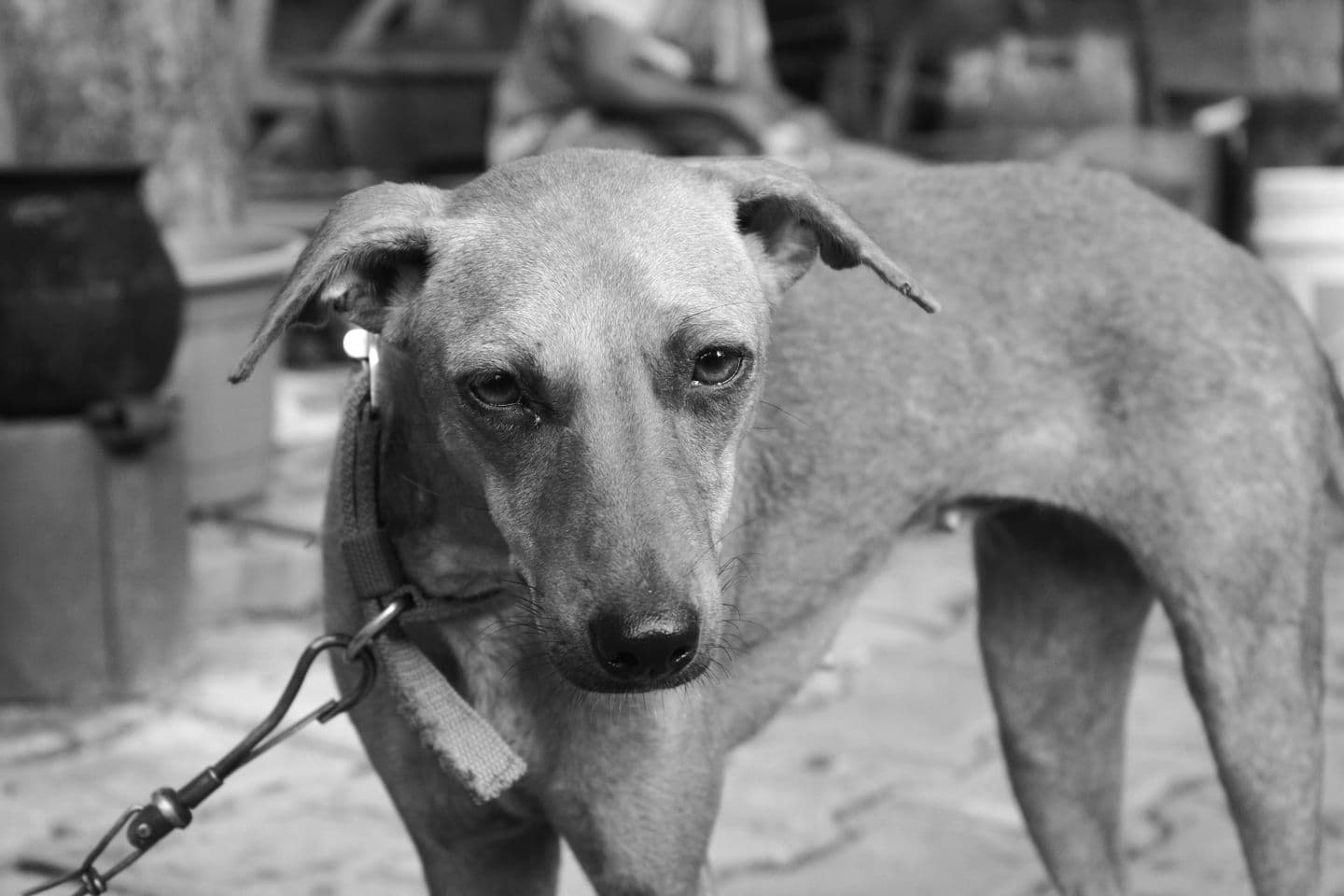
Most people associate animal cruelty with extreme acts of violence. However, cruelty can also take quieter forms: keeping a dog permanently chained, denying an animal adequate food, transporting lives