The Prevention of Cruelty to Animals Act: What Every Indian Should Know
Most people associate animal cruelty with extreme acts of violence. However, cruelty can also take quieter forms: keeping a dog permanently chained, denying an animal adequate food, transporting lives
Most people associate animal cruelty with extreme acts of violence. However, cruelty can also take quieter forms: keeping a dog permanently chained, denying an animal adequate food, transporting livestock in overcrowded vehicles or abandoning a pet when it becomes inconvenient.
India's Prevention of Cruelty to Animals Act, 1960 was introduced to prevent unnecessary pain and suffering inflicted on animals.
Yet, more than six decades after its enactment, many Indians remain unaware of what the Act actually says and how it applies to everyday situations.
The fundamental responsibility
Section 3 establishes an important principle: anyone having the care or charge of an animal must take reasonable measures to ensure its well-being and prevent unnecessary pain or suffering.
This responsibility is not restricted to pet owners. It can apply to people responsible for livestock, working animals and animals kept in other settings.
Section 11 identifies several acts that constitute cruelty.
These include:
Beating, kicking, torturing or otherwise causing unnecessary suffering.
Employing animals that are unfit because of age, disease, injury or infirmity.
Carrying animals in ways that cause unnecessary pain.
Keeping animals in cages that do not provide reasonable opportunities for movement.
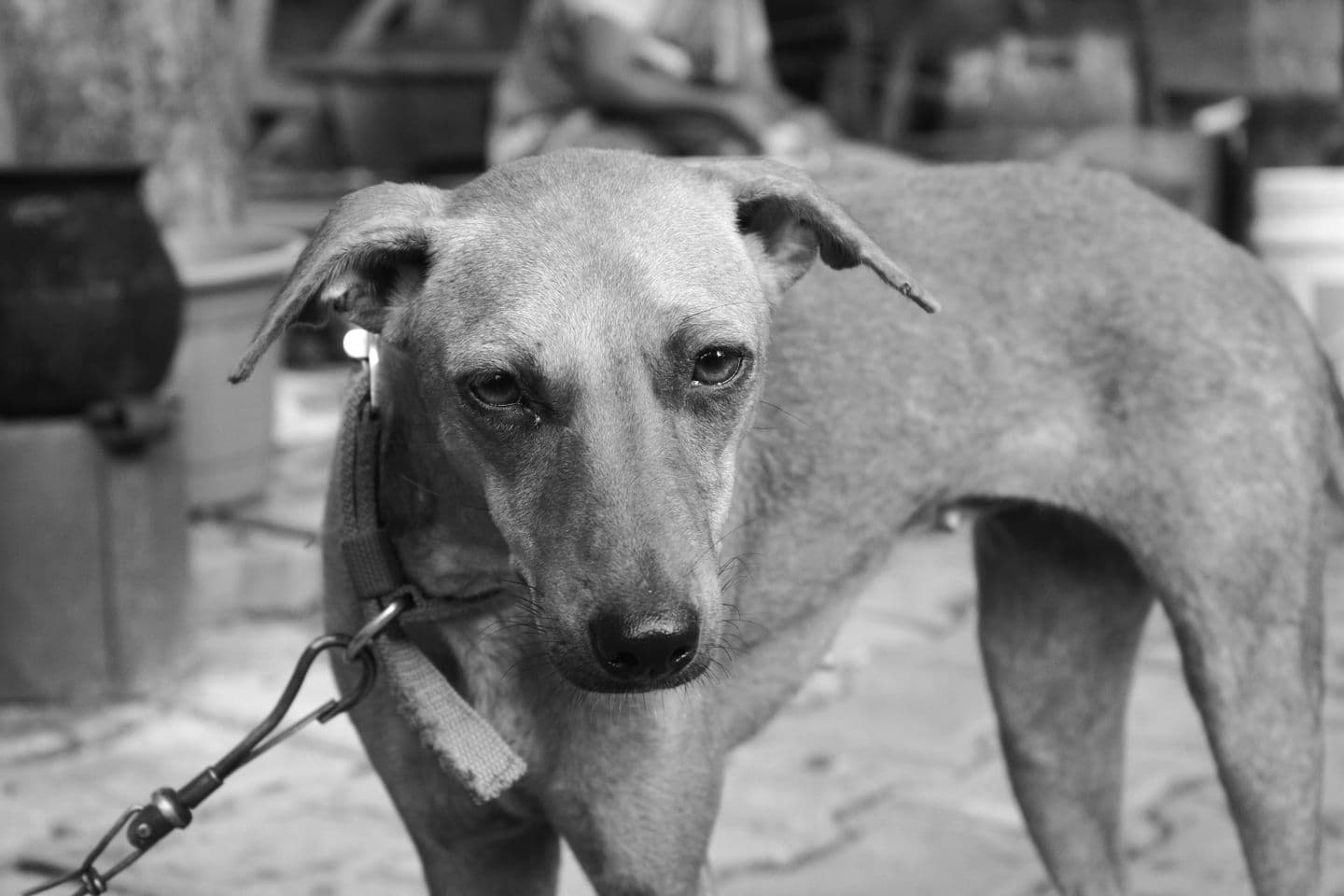
Keeping animals chained or tethered for unreasonable periods using excessively short or heavy chains.
Neglecting the exercise and reasonable care of dogs habitually chained or kept in close confinement.
Failing to provide sufficient food, drinking water or shelter.
Abandoning an animal without reasonable cause in circumstances likely to cause suffering through starvation or thirst.
Organising or managing places for animal fighting or baiting.
The Act also addresses other forms of cruelty, including certain activities involving animals used for entertainment. [1]
It is not only about dogs and cats
The legislation has wider implications.
An overloaded bullock cart, an injured horse forced to work, an animal transported in unsuitable conditions or livestock subjected to unnecessary suffering can all raise animal welfare concerns.
Additional rules address specific activities such as transportation, breeding, pet shops, performing animals and the care of animals used in experiments.
The Animal Welfare Board of India (AWBI), established under Section 4 of the Act, advises the government on animal welfare and undertakes activities within its statutory mandate.
What can citizens do?
Citizens who witness cruelty should avoid taking the law into their own hands.
Instead, they should:
1. Record the incident through photographs or videos where it is safe and lawful.
2. Note the location, date and relevant details.
3. Contact the local police or appropriate enforcement authority.
4. Seek assistance from a recognised animal welfare organisation.
5. Obtain veterinary documentation where an animal has been injured.
6. Follow up and retain the complaint or case reference.
Citizens should remember that the PCA Act is not the only relevant legislation. Wildlife offences, for example, may attract separate and more stringent provisions under wildlife protection laws.
The importance of knowing the law
Animal protection cannot depend entirely on activists discovering cruelty after it happens.
Pet owners, transporters, breeders, businesses and ordinary citizens must understand that animals are living beings whose welfare carries legal responsibilities.
The first step towards protecting animals is understanding that the law places responsibilities on people, not just rights in their hands.
The exotic pet trade has transformed the way people interact with wildlife. Animals once seen only in forests, grasslands and distant ecosystems are now advertised as unusual household companions. Tur
Street dogs are among the most visible yet misunderstood animals in Indian cities. They live outside our homes, sleep near shops, guard neighbourhoods and survive on the margins of human settlements.
Plastic pollution is often associated with images of turtles trapped in fishing nets, seabirds with plastic in their stomachs or cattle eating discarded polythene bags. These images are disturbing, bu