Festivals are an important part of India's cultural identity. They bring families together, fill streets with colour, create shared memories and celebrate traditions that have survived generations.
Festivals are an important part of India's cultural identity. They bring families together, fill streets with colour, create shared memories and celebrate traditions that have survived generations.
Yet, behind the lights, music and celebrations lies an environmental consequence that is rarely discussed: the impact of festivals on animals.
For humans, a firework display may last a few minutes. For a frightened bird, a dog hiding under a bed or a bat disturbed from its roost, those minutes can be deeply distressing.
A celebration that animals cannot escape
Animals experience their surroundings differently from humans. Many species have highly developed hearing, and sudden explosive sounds can trigger fear and escape responses.
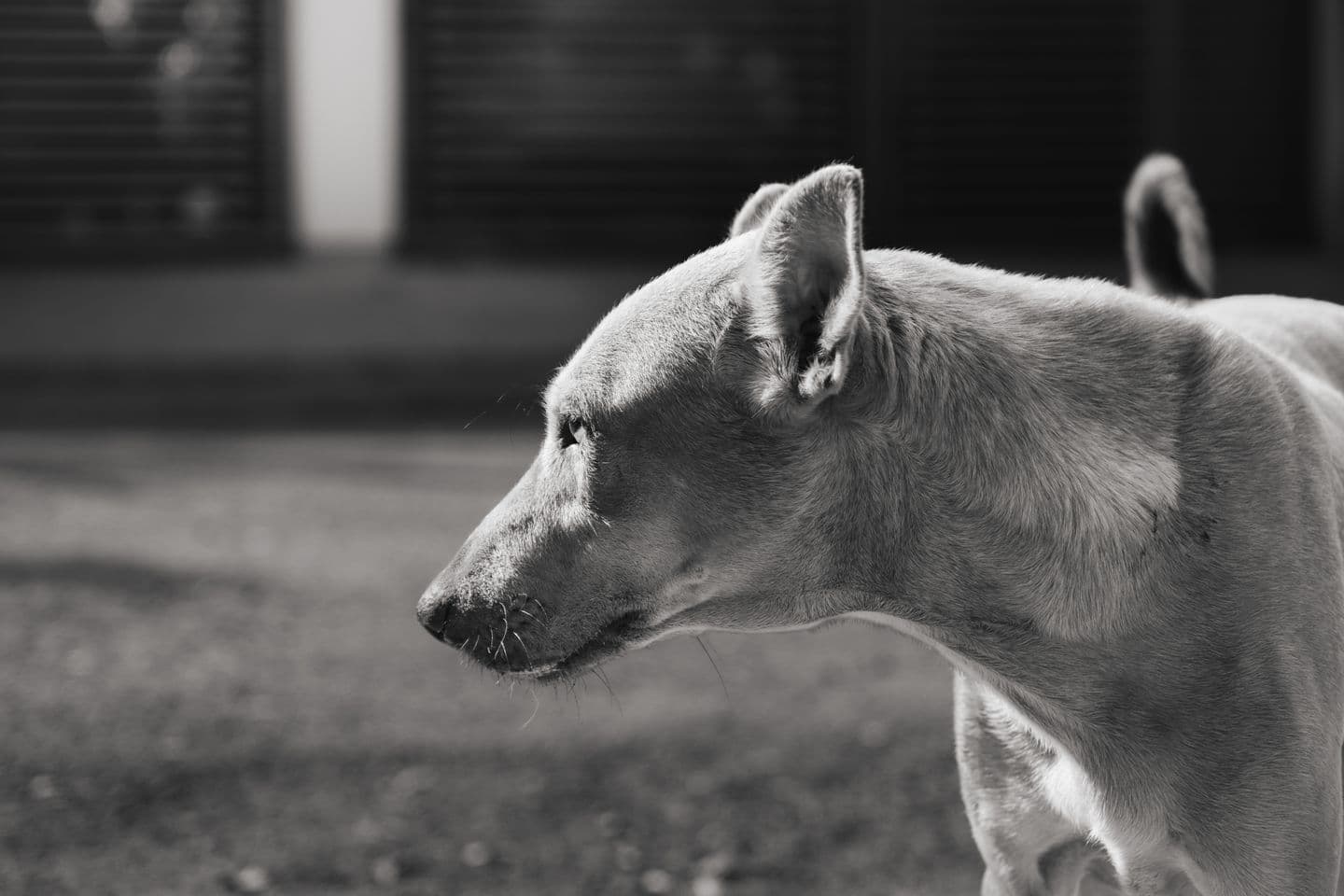
Dogs may tremble, hide, bark excessively or attempt to run away. Cats may seek inaccessible hiding places. Birds can become startled and leave their roosts.
Wild animals living in urban parks, trees and wetlands are equally exposed to environmental disturbances. During major celebrations, the disturbance may continue for hours, sometimes across several consecutive days.
The problem of fireworks
Fireworks create several forms of environmental disturbance.
Noise pollution: Sudden loud explosions can frighten domestic animals and disturb wildlife.
Air pollution: Fireworks release particulate matter and gaseous pollutants into the atmosphere.
Light pollution: Intense flashes can disturb nocturnal animals and interfere with normal behaviour.
Chemical residues: Firework debris can contaminate surrounding surfaces and potentially enter soil and water.
Physical injuries: Animals may encounter discarded fireworks, burning materials and debris.
A study conducted in Delhi between 2006 and 2008 found that Diwali fireworks were associated with substantial increases in particulate pollution and ambient noise levels.
Although this study measured environmental pollution rather than animal health, its findings highlight the wider environmental conditions to which animals are exposed during celebrations.
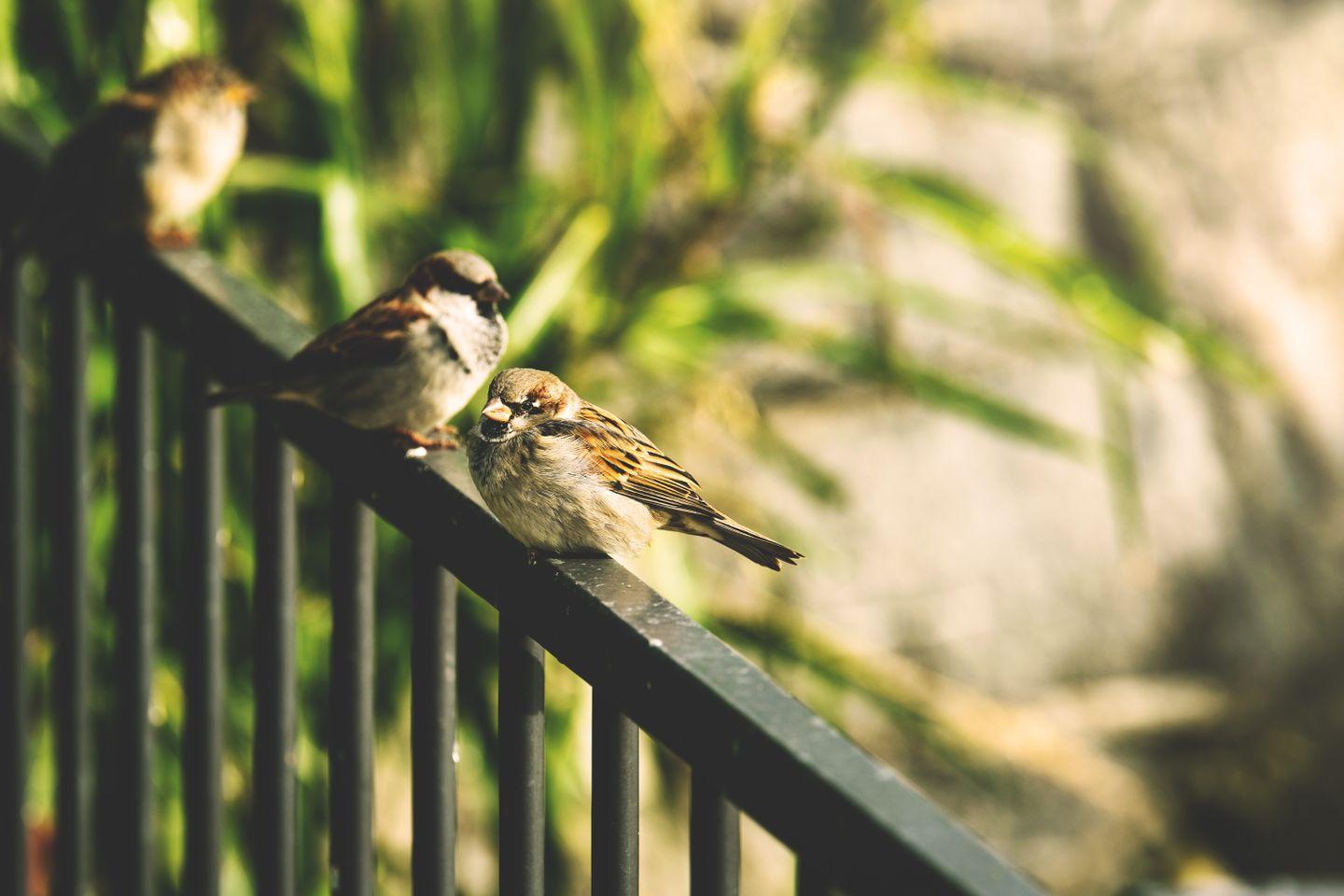
The birds we disturb
Birds depend on predictable environmental conditions for resting, feeding, breeding and migration.
Sudden fireworks and intense lighting can disturb roosting birds and trigger unnecessary flight. Repeated disturbances may force birds to expend energy they need for survival, particularly during migration or periods of adverse weather.
Urban trees that shelter hundreds of birds can become unexpectedly hostile environments during noisy celebrations.
Beyond Diwali
Although Diwali receives considerable attention because of fireworks, animal disturbance can occur during several celebrations and public events.
Loudspeakers, amplified music, processions, traffic, fireworks and temporary lighting can affect animals during festivals, weddings, religious gatherings and sporting celebrations.
The issue is not the celebration itself. It is the assumption that environmental disturbance is an unavoidable part of celebrating.
Can traditions become more compassionate?
There are ways to celebrate without creating unnecessary suffering.
Choose quieter celebrations and avoid explosive fireworks.
Respect restrictions on noise and firecracker use.
Avoid bursting crackers near animal shelters, bird habitats and veterinary facilities.
Use traditional lamps and decorative lighting responsibly.
Dispose of festive waste properly.
Keep pets indoors in a secure, familiar environment during noisy events.
Provide animals with a quiet place to retreat.
Avoid shining powerful lights into trees and natural habitats.
Communities can also organise cultural programmes, traditional music, shared meals and environmentally responsible celebrations.
Celebrating without causing suffering
Indian traditions have always included ideas of compassion, respect for nature and coexistence with other living beings.
These values need not disappear as celebrations become more modern or elaborate.
A festival should create happiness, not fear. It should bring people together without making the surrounding natural world pay the price.
Perhaps the most meaningful celebration is one in which the lights remain beautiful, the streets remain joyful and the animals around us are allowed to rest peacefully.
Mandal, P., Prakash, M. and Bassin, J. K. (2012). Impact of Diwali celebrations on urban air and noise quality in Delhi City, India. Environmental Monitoring and Assessment, 184, 209–215. https://doi.org/10.1007/s10661-011-1960-7
Central Pollution Control Board. Air and noise pollution monitoring resources. https://cpcb.nic.in/
The exotic pet trade has transformed the way people interact with wildlife. Animals once seen only in forests, grasslands and distant ecosystems are now advertised as unusual household companions. Tur
Street dogs are among the most visible yet misunderstood animals in Indian cities. They live outside our homes, sleep near shops, guard neighbourhoods and survive on the margins of human settlements.
Plastic pollution is often associated with images of turtles trapped in fishing nets, seabirds with plastic in their stomachs or cattle eating discarded polythene bags. These images are disturbing, bu