Can We Build Cities Where Humans and Animals Coexist?
Cities are usually designed around human needs. Roads connect neighbourhoods, buildings accommodate growing populations and infrastructure supports commerce, transportation and recreation.
Cities are usually designed around human needs. Roads connect neighbourhoods, buildings accommodate growing populations and infrastructure supports commerce, transportation and recreation.
But cities are also home to millions of other living beings.
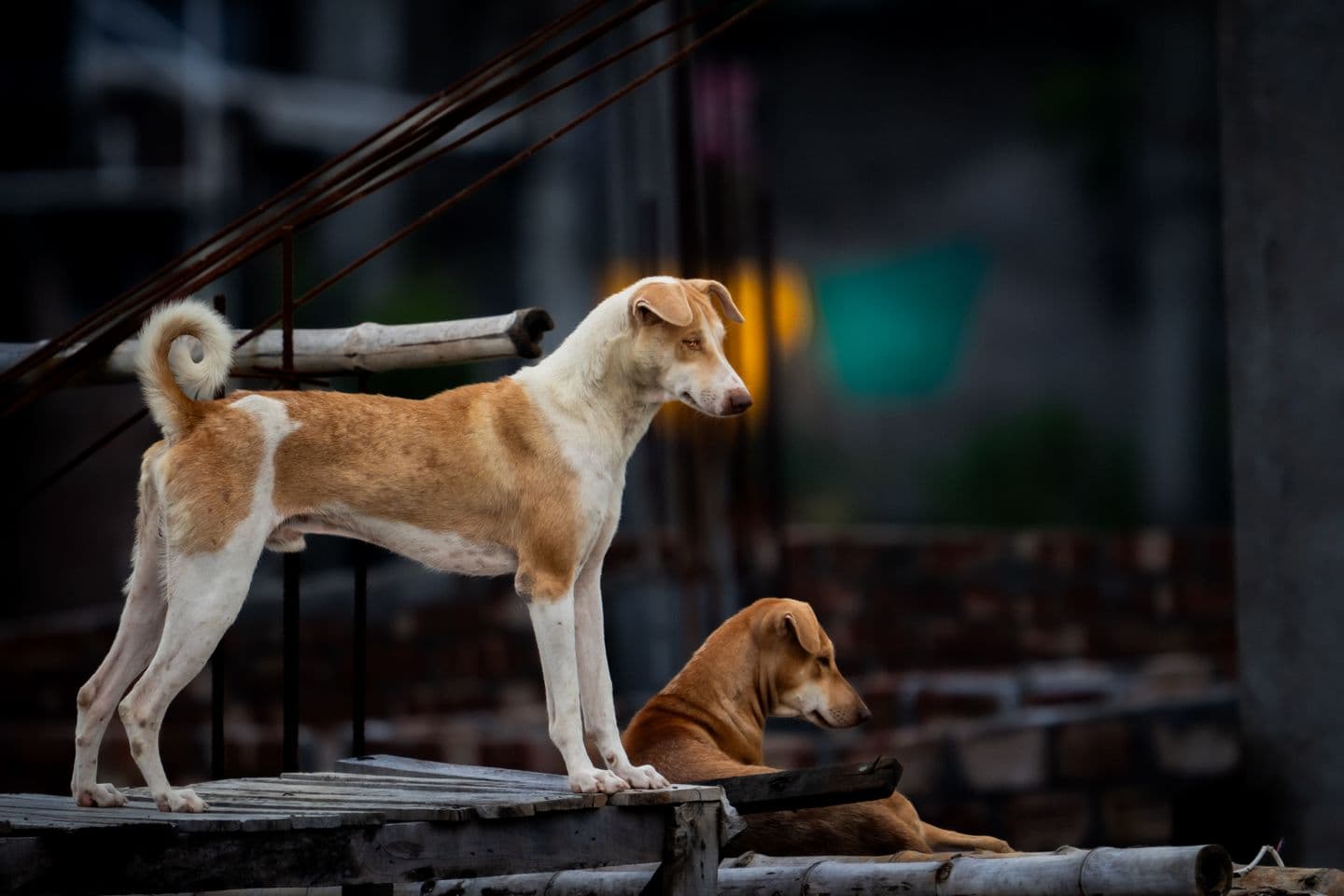
Birds nest in trees and building ledges. Butterflies visit roadside flowers. Bats emerge at dusk. Frogs inhabit neighbourhood wetlands. Stray dogs and cats navigate streets alongside people.
As urban areas expand, these animals increasingly find themselves competing with human development for space and resources.
The question is no longer whether animals belong in cities. They are already here. The question is whether we can design cities that allow them to coexist with us.
Cities are ecosystems too
Urban areas are often perceived as concrete environments with little ecological value. Yet, even highly developed cities contain interconnected natural habitats.
Parks, lakes, gardens, roadside trees, vacant green spaces, urban forests and wetlands provide food and shelter for wildlife.
These spaces support biodiversity and perform important environmental functions. Trees provide nesting and resting places for birds; lakes support aquatic organisms and waterbirds; flowering plants attract bees and butterflies; urban forests provide shelter for mammals and reptiles; green spaces help regulate local temperatures; and wetlands support biodiversity while helping manage stormwater.
However, these natural spaces are frequently treated as expendable when cities expand.
The cost of unplanned urbanisation
When wetlands are filled, trees removed and natural habitats fragmented, animals lose their homes.
Road construction increases the risk of vehicle collisions. Glass buildings can cause bird strikes. Poorly managed waste attracts animals and exposes them to dangerous materials.
Artificial lighting can disturb nocturnal species, while excessive noise affects communication and normal behaviour.
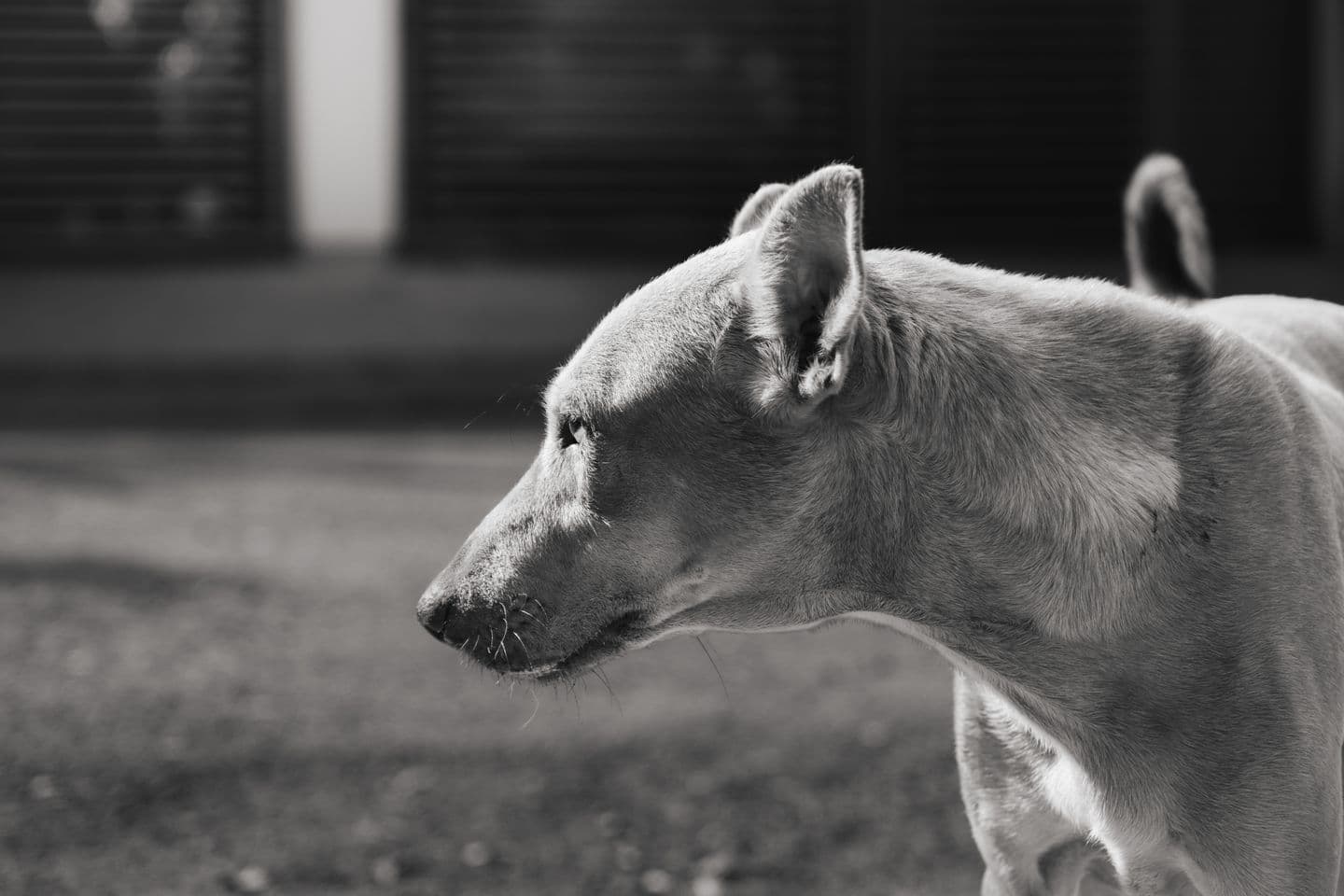
Urban animals also face direct conflicts with people. Street dogs may be exposed to traffic and cruelty. Snakes entering residential properties may be killed out of fear. Bats and birds nesting in buildings may be displaced without appropriate consideration.
These are not isolated incidents. They reflect the consequences of planning cities without adequately considering other species.
What would a wildlife-friendly city look like?
A humane city would integrate biodiversity into its planning process.
Protecting existing natural habitats: Urban lakes, wetlands, forests and old trees should be identified and protected before new construction projects are approved. Restoring damaged ecosystems should also become a priority.
Creating connected green spaces: Parks, tree-lined streets, gardens and urban forests can form ecological networks. These connections allow certain species to move between habitats rather than becoming isolated in small patches.
Designing safer roads: Wildlife crossings, underpasses, speed restrictions and appropriate road planning can reduce animal mortality in areas where roads intersect wildlife movement routes.
Making buildings bird-friendly: Glass surfaces can create collision risks for birds, particularly when they reflect vegetation or appear transparent. Bird-safe glazing, external screens and appropriately designed building facades can help reduce these risks.
Managing waste responsibly: Open garbage dumps attract animals and create dangerous feeding conditions. Better waste collection, segregation and disposal can reduce these risks while improving public health.
Making room for smaller creatures: Urban biodiversity is not limited to charismatic animals such as peacocks, deer or butterflies. Frogs, lizards, insects, earthworms and other small organisms perform essential ecological functions. Gardens and green spaces should accommodate these less visible residents too.
India's opportunity
Indian cities have considerable opportunities to become more wildlife-friendly.
Bengaluru's lakes and green spaces, Delhi's urban forests, Mumbai's mangroves and Chennai's wetlands demonstrate how natural ecosystems remain part of urban life.
However, their protection requires long-term planning and consistent implementation. Urban local bodies, development authorities, environmental organisations, architects, residents' associations and citizens must work together.
Importantly, coexistence does not mean ignoring genuine public safety concerns. It means addressing them through scientific, humane and environmentally responsible solutions rather than indiscriminate removal or destruction of wildlife.
A different definition of a smart city
A smart city should not be measured only by its technology, transport systems, commercial infrastructure or digital services.
It should also be judged by the quality of its environment and the diversity of life it supports.
Imagine a city where children can observe butterflies in neighbourhood gardens, birds can nest safely in trees, lakes support aquatic life and roads are designed with wildlife movement in mind.
Such a city would be healthier and more resilient for its human residents too.
Humans do not need to surrender cities to wildlife. We need to acknowledge that cities are shared spaces.
The future of urban development should not be about making cities exclusively human. It should be about creating places where different forms of life can exist safely alongside one another.
The exotic pet trade has transformed the way people interact with wildlife. Animals once seen only in forests, grasslands and distant ecosystems are now advertised as unusual household companions. Tur
Street dogs are among the most visible yet misunderstood animals in Indian cities. They live outside our homes, sleep near shops, guard neighbourhoods and survive on the margins of human settlements.
Plastic pollution is often associated with images of turtles trapped in fishing nets, seabirds with plastic in their stomachs or cattle eating discarded polythene bags. These images are disturbing, bu